By TEIGEN JP. Category: civic education, working with schools
Hardly any school or municipality is still deciding whether to do civic education. The question has moved to what form it should take. The 2015 amendment to the Public Offices Election Act lowered the voting age to 18; the Ministry of Internal Affairs and Communications and the Ministry of Education distributed the supplementary textbook "The Future of Japan We Will Open"; and from 2022 the subject Public has been compulsory in high schools. The institutional support is already there.
What still stalls things is that nobody has laid out how the options differ, or what each one will ask of you afterward. Here is both, written from the delivery side by people who have worked with schools and local government.
There are four options
| 1. The lecture | A guest explains how elections work and why taking part matters.From one period. Easiest to arrange and easy to give to a whole year group at once. But students stay in the audience, so it is hard to design for any change in what they do. |
|---|
| 2. The mock vote | Real polling booths and ballot boxes; students go through the procedure of voting.One to two periods. Election commissions are usually glad to help, and it works well at removing the intimidation of the procedure. But the issues tend to come ready-made, and it rarely reaches the substance of policy. |
|---|
| 3. Policy and candidacy | Students analyze a local problem themselves, build a policy, stand, speak, deliberate and vote.Several periods, or half a day to a full day. Being on both sides changes how responsible students feel more than anything else does. In exchange it needs time, and it needs someone who knows how to choose the material and run the room. |
|---|
| 4. Institutional connection | A standing mechanism — a youth council — that carries students' proposals into actual policymaking.Measured in years. It leaves behind a channel through which a voice actually arrives, rather than a one-off experience. Because it involves drafting an ordinance or establishing an advisory body, it depends on agreement inside the administration first. |
|---|
None of the four is better than the others; they are a function of your aim and the time you have. If you want to lower the psychological barrier to taking part, start at 2. If you want students to feel that their view could move something, 3. If you do not want it to be a one-off, 4.
Five questions you will be asked
1. Who designs the neutrality, and how?Real parties and candidates, or fictional issues? Hand this decision wholesale to an outside provider and the school loses the ability to account for it. The safest course is to agree in writing beforehand — following Article 14 of the Basic Act on Education and the Ministry of Education's notices — how the material is chosen, how differing views are presented, and what the rules are during the session. We have written Policy on Political Neutrality down and published it in full.
2. Decide how many periods you have, first.More proposals die on "good idea, no time" than on anything else. One period gets you 1 or 2; tie it to a school event or a student council election and 3 is within reach. Choosing the form from the time you actually have is what gets it done.
3. Design who it reaches.Ask for volunteers and you get the students who were already interested. That is not a bad thing in itself, but the people who most need civic education are the ones who think politics has nothing to do with them. Whether you run it by class, by year group, or by selection has to be worked backward from what you want.
4. Build an evaluation that is not just satisfaction.Post-session satisfaction always comes out high. What to look at is intention to vote, interest in local problems, and whether behavior changed afterward. Whether you built in the same questions before and after, and a follow-up some months later, decides how much you can say about the program later.
5. Will it survive the person in charge moving on?Anything resting on one enthusiastic teacher or officer disappears when they are reassigned. Are the materials, the running order and the steps for dealing with other institutions written down? Does a student take over running it? Continuity has to be built into the design; it cannot be added later.
Where TEIGEN JP sits
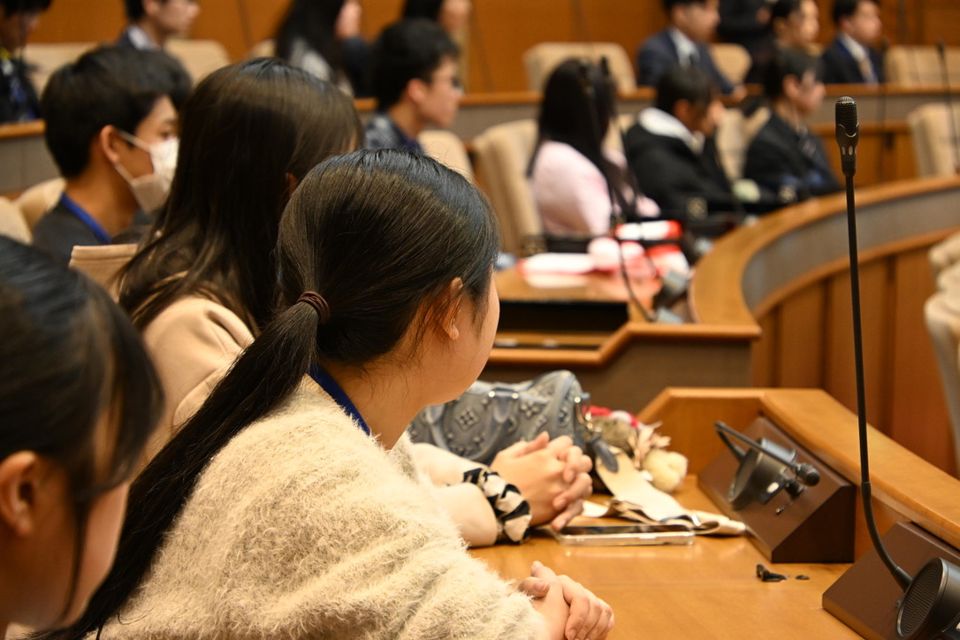
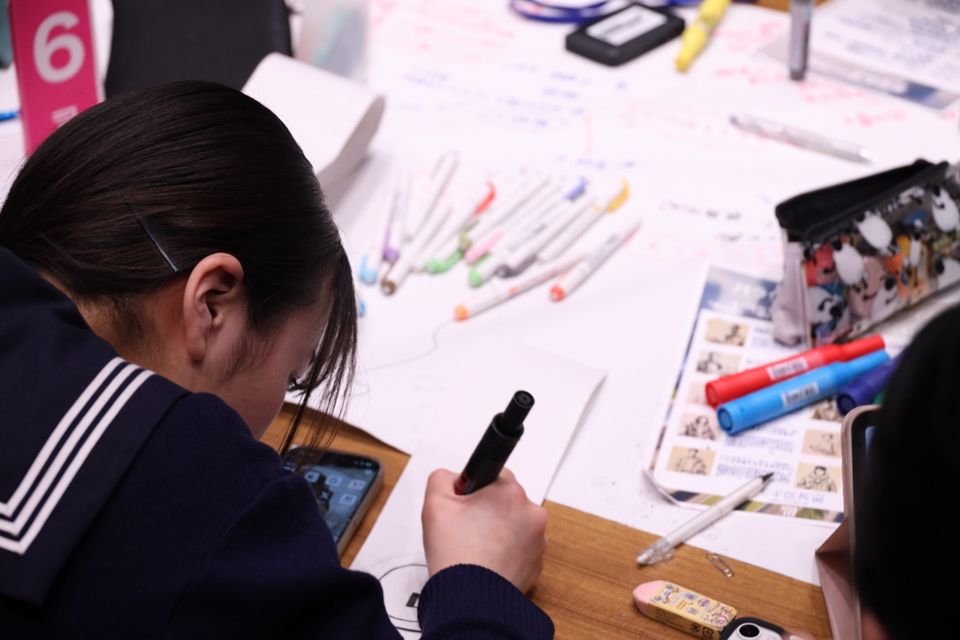
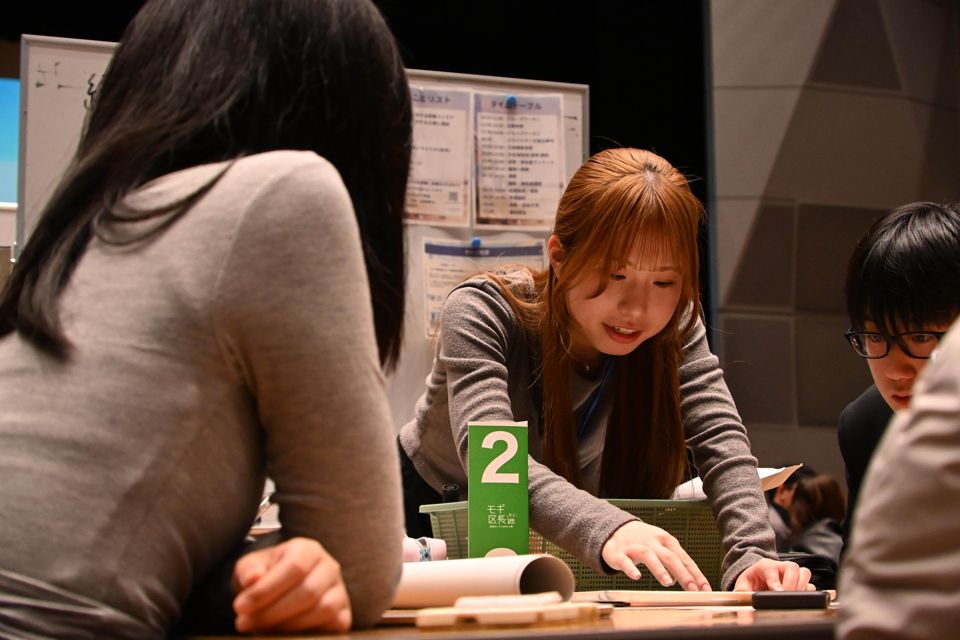
Our flagship Mock Ward Mayoral Election is option 3, co-created with the Adachi Ward Office, Ward Assembly, Board of Education and Election Administration Commission. For schools we offer outreach classes — Mock Principal Election and Mock Ward Mayoral Election for School, which fill the gap between 2 and 3. For option 4, we publish our institutional research as Youth Council Model (In Development).
Guide prices, what to prepare and how the day runs are on the outreach class page; how partnerships work with schools, government and companies is on the partnership page. We are happy to be involved from the point where you are still deciding the shape of it. Membership of a council or committee, hearings and research collaboration are set out on the advisory and committee roles page.