Home / PROJECTS / Adachi Mock Ward Mayoral Election
Case Study | Civic education
Mock Ward Mayoral Election
To the other side of the ballot box.
Our flagship program in experiential civic education, held in Adachi City since 2023. Middle and high school students draft policy, run for office, deliberate and vote — the entire process.
Why does civic education
stop at practicing how to vote?
02 The Reality | Where we stand
Turnout is not the whole problem.
In the 2022 House of Councillors election, turnout among 18- and 19-year-olds was 34.49% (Ministry of Internal Affairs and Communications). But what we see on the ground is not a problem of low numbers. Most civic education in schools stops at explaining the electoral system and holding a mock vote. Students almost never get near the substance of democracy — how a policy is born, how it is challenged, and how it is decided.
Under Japan's Public Offices Election Act, campaigning by anyone under 18 is restricted, which leaves teenagers almost no legitimate way to engage with politics as builders rather than bystanders. When election day is the only form of participation on offer, young people get used to sitting in the audience.
03 Our Insight | The hypothesis
Give teenagers the experience of running for office and writing policy — not just voting — and they stop being spectators.
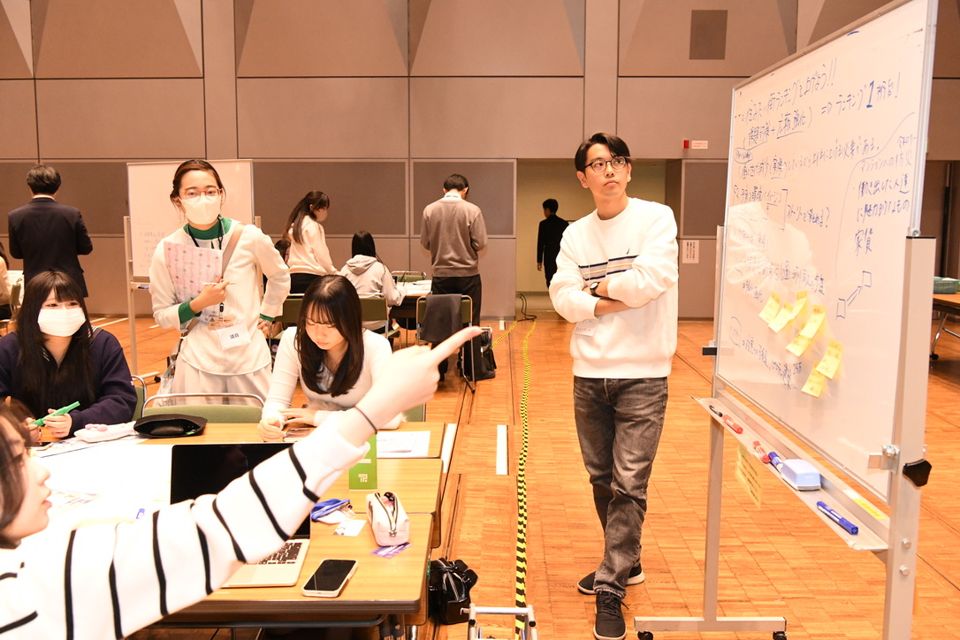
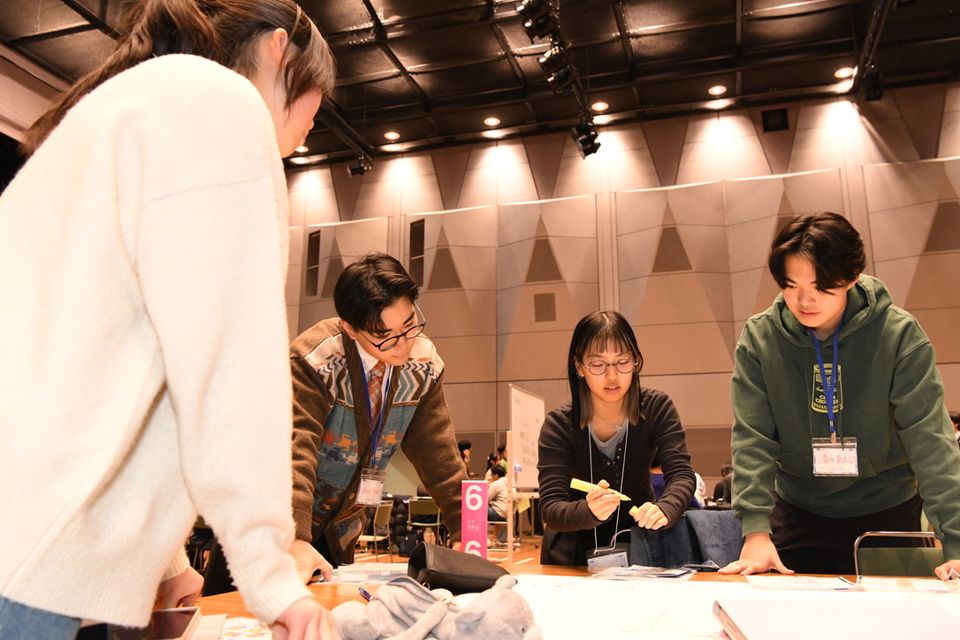
This is not a voting drill. Participants analyze real local issues, draft policy, write their own campaign bulletins and speeches, and stand as candidates. They interrogate other people's policies and have their own interrogated in return. Only in that exchange does politics become something you can speak about in your own words.
We also built in a method of our own, Paradigm Change Time, in which each policy is re-examined from a different position — another generation, another job, another set of circumstances. Deliberation only counts when you have had to doubt your own conclusion.
04 The Experience | How the day is designed
What a participant actually does.
05 The Result | What came of it
The numbers, and what they mean.
In its own published materials, the Adachi Ward Assembly lists, among the assembly reforms it carried out in 2023 under “resident participation”, holding the student-run Mock Ward Mayoral Election and working to advance civic education. (Waseda University Manifesto Institute, Local Assembly Reform Survey 2023 — the assembly placed 58th of 1,562 nationwide and 2nd among Tokyo's special wards.)an assembly gains one more piece of work it can publish as a record of resident participation.See our results and recognition →
Scenes
The room, not just the record.
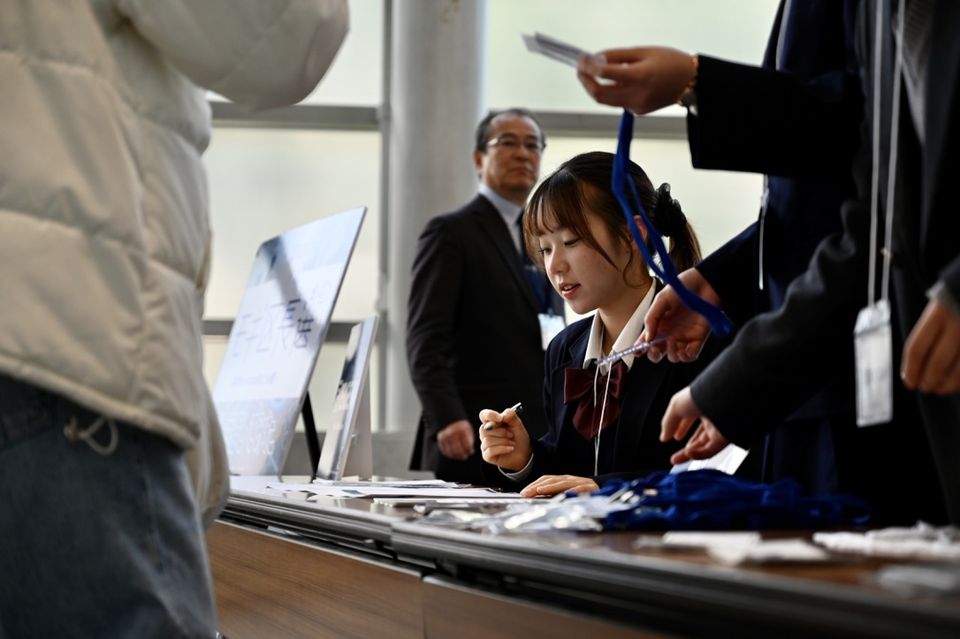
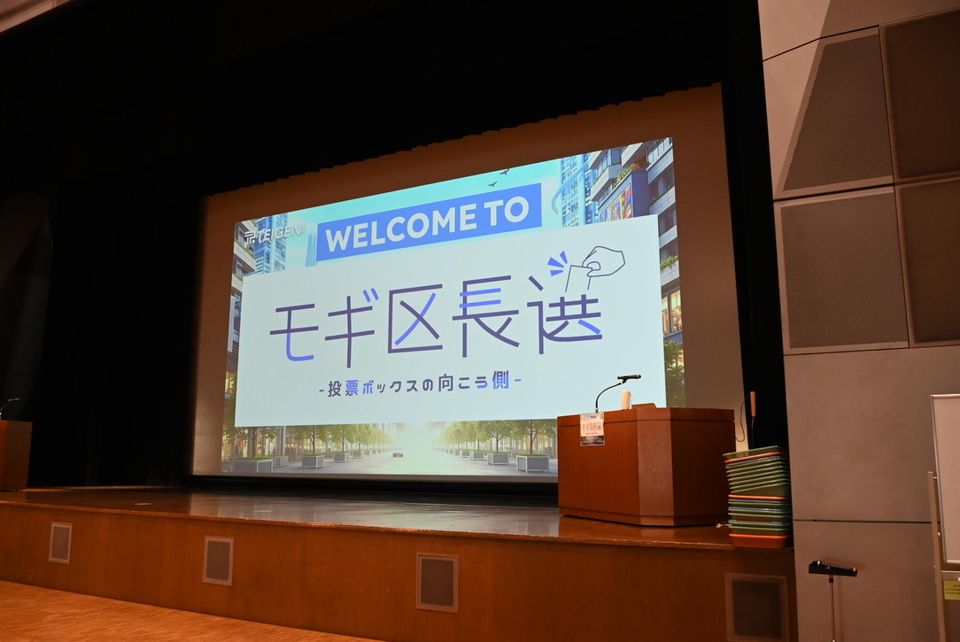
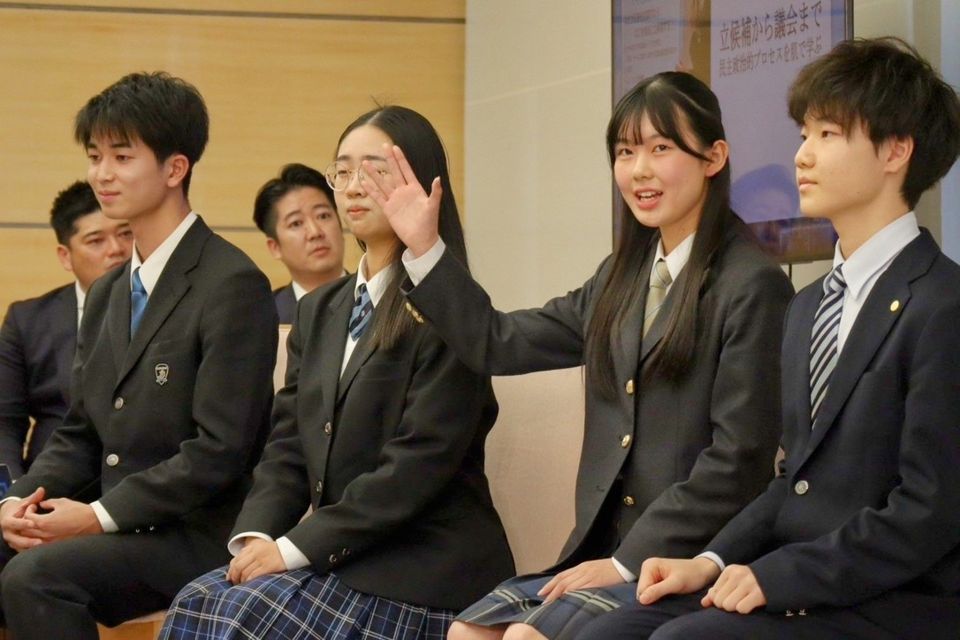
A question becomes an argument, becomes a policy, becomes a speech. One day, in six scenes. Select a photograph to open it.
Every photograph from the day, in no particular order
Survey | Post-event questionnaire
What participants said had changed.
"It felt like a real election. It was real."
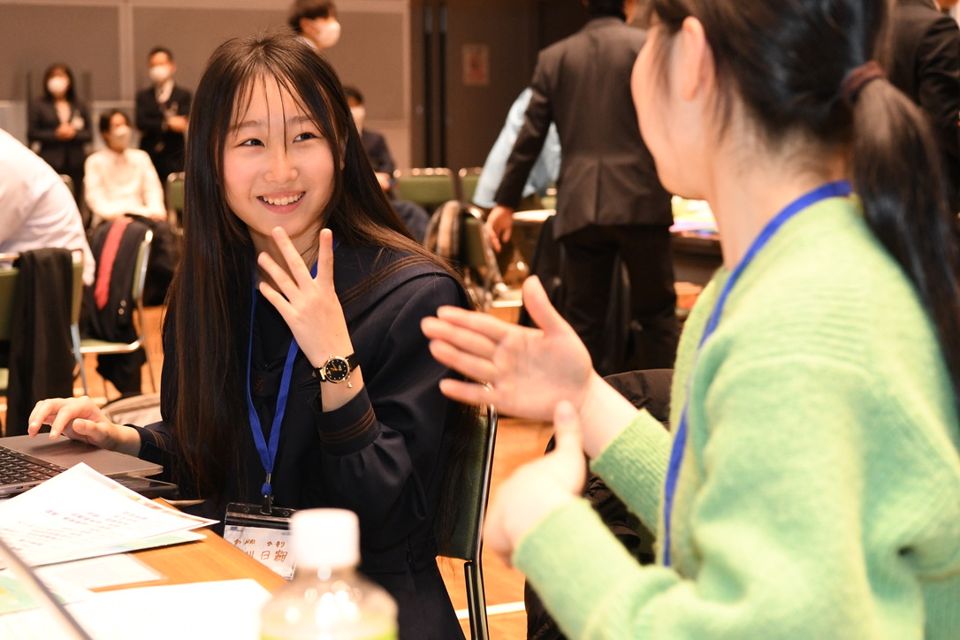
"Turning what we had argued about into an actual policy draft — putting a thought into a shape — felt like an achievement."
"I had no interest in local government. After that day I wanted to follow the news. I'd like them to come and teach at my school too."
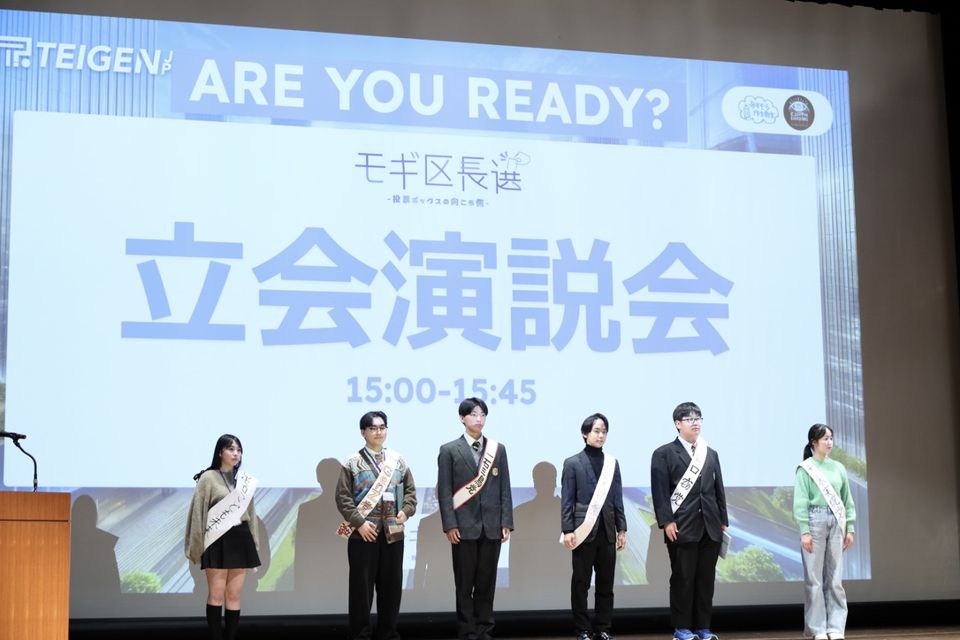
"I learned to speak up without being asked. I made new friends, too."
"I was glad to vote for the first time. By the time we presented, our group had become a team."
06 Voices | From the people involved
The participant becomes the organizer.
"A year after taking part in the Mock Ward Mayoral Election as a participant, I was the one running it. My friends pushed me forward, and I threw myself at entrance exams and the event at the same time. Those months made me who I am, and they gave me real confidence."
07 Behind the Project | Backstage
What it takes to borrow a real chamber of government.
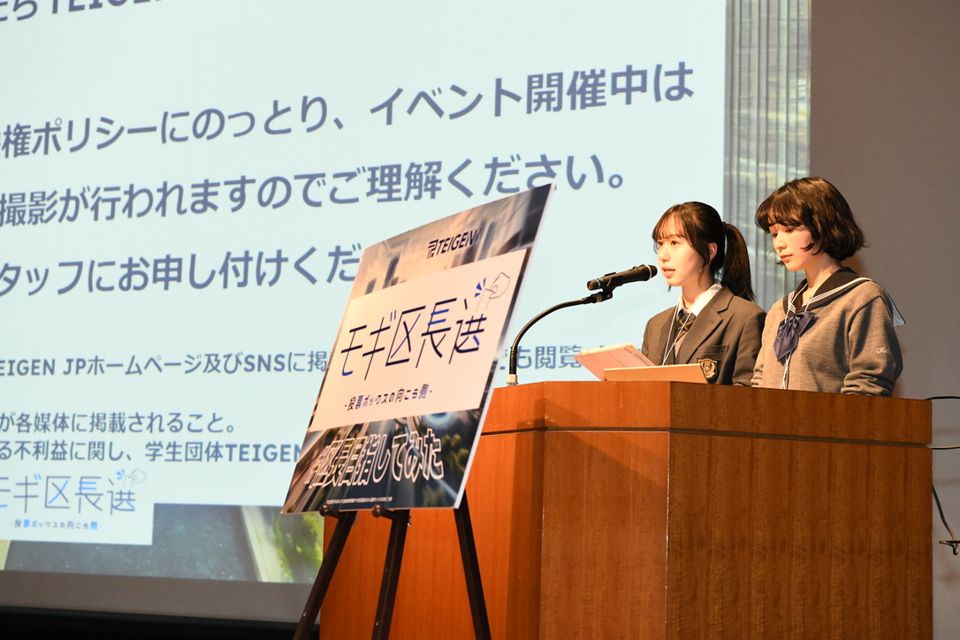
This program rests on coordination with four separate public bodies: the ward office, the assembly, the board of education and the election administration commission. Securing the venue, borrowing equipment, asking legislators to take part, publicity, running the day — students handle all of it. Which means the quality of a written request, whether a deadline is met, and how we conduct ourselves on the day are all tests of whether this organization can be trusted.
We have failed and revised repeatedly. The first attempt was a trial with about 30 people. Since then we have moved into the city hall auditorium, brought in more assembly members, and introduced Paradigm Change Time — the design changes with every edition. We are now standardizing the operating manual so the model can be reproduced elsewhere.
Teenagers run the floor.
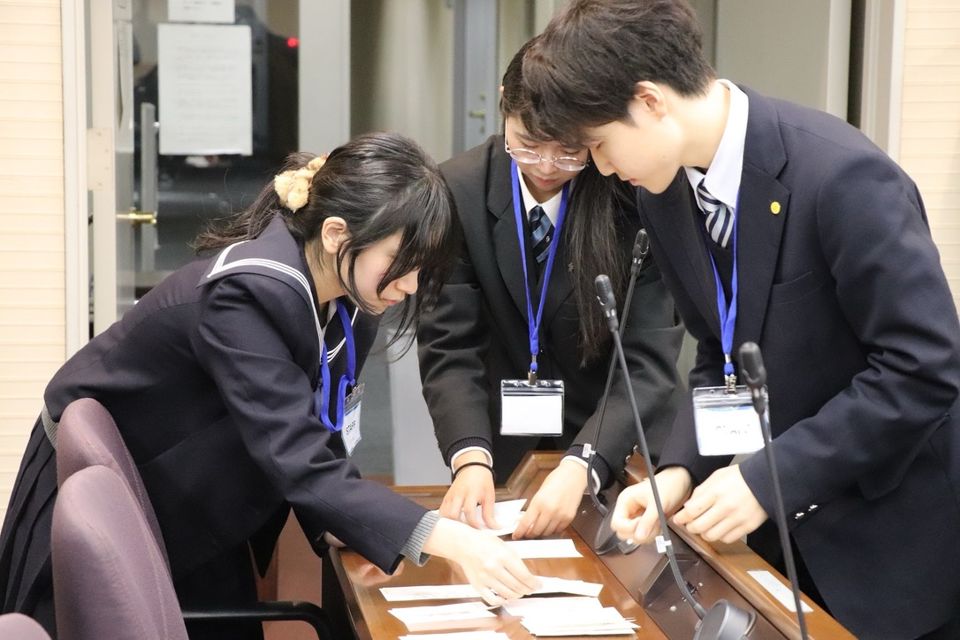
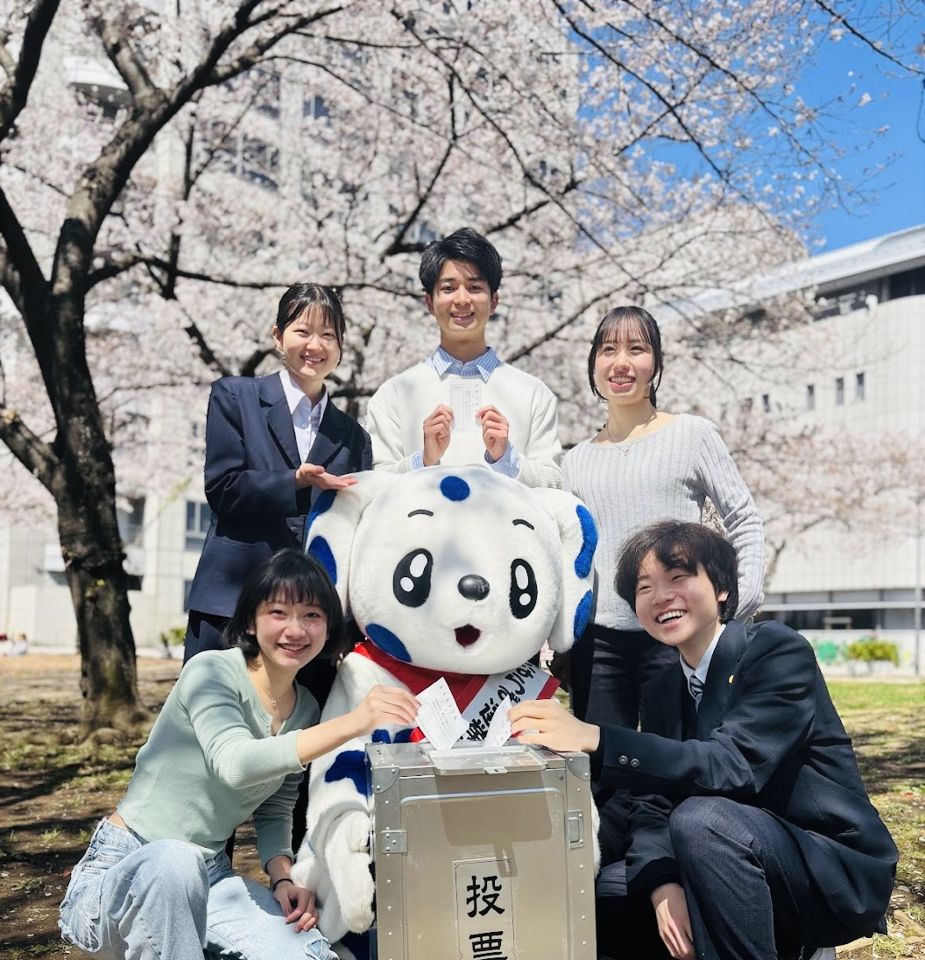
Receiving candidates, securing the chamber, carrying the ballot boxes, running the program — every part of the day is built by organizers the same age as the participants.