Home / PROJECTS / Tokyo Mock Gubernatorial Election
Program | Civic education
NEXT GOAL: TOKYO
The part after the vote, felt firsthand.
Everything learned in Adachi, taken to the scale of Tokyo itself: a multi-day, inter-school program staged in the Metropolitan Assembly.It is confirmed to go ahead. Dates and venue are being arranged.
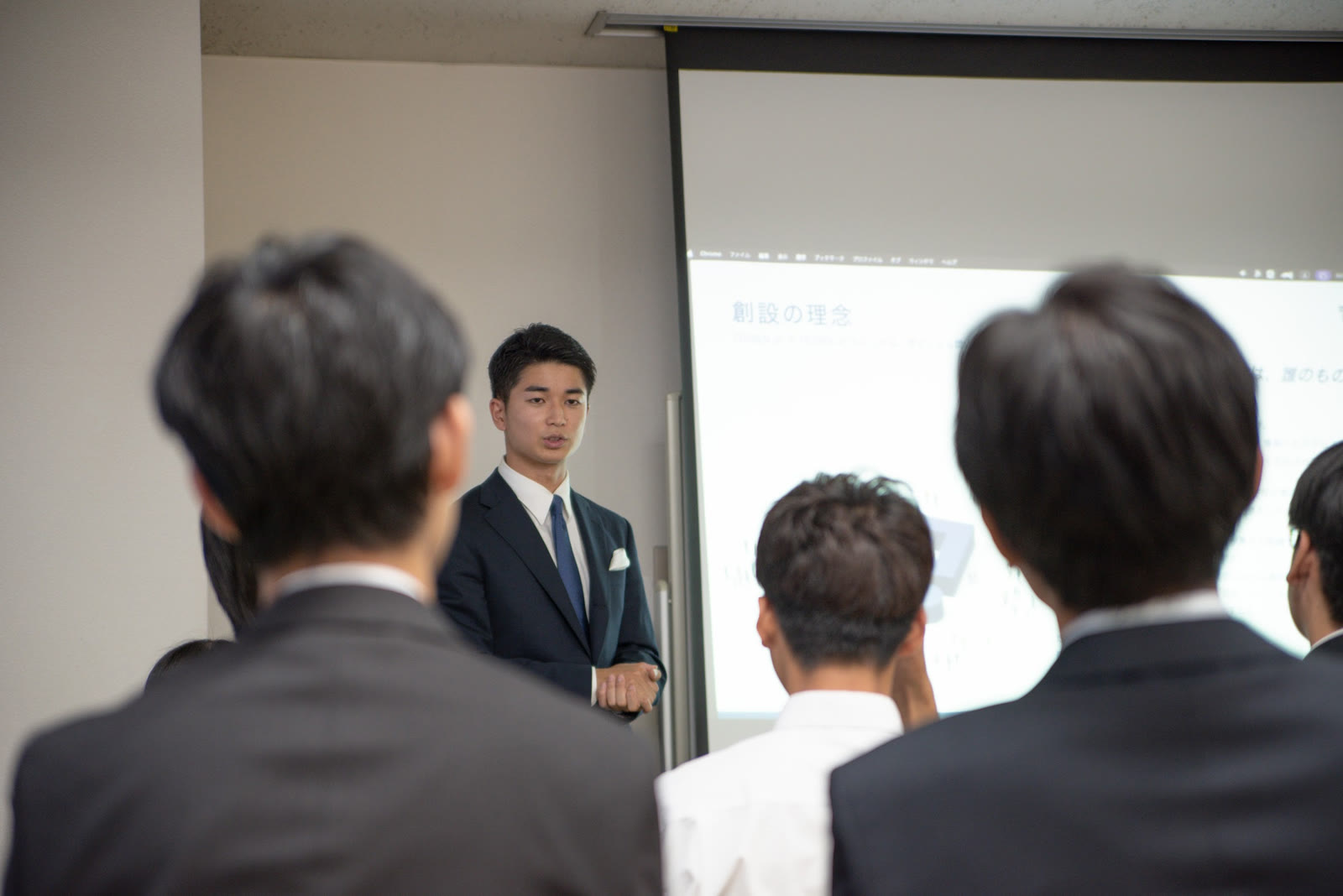
Why can't teenagers question the policy
of the city of fourteen million they live in?
02 The Reality | Where things stand, and what Adachi showed us we could not reach
Standing for office and stopping there never reaches the political process.
Running the Mock Ward Mayoral Election again and again in Adachi showed us both what an election experience can do and where it stops. Presenting a policy and then voting never reaches what comes after winning — the budget, questions in the chamber, building agreement, amending the policy — which is the body of democracy itself.
And metropolitan government covers transport, housing, disaster preparedness, education and industry — all of which bear directly on a teenager's daily life — while there is almost no occasion on which a teenager treats a decision about the city as their own.
03 Why Tokyo
Why take on "after the election", and why in Tokyo?
Tokyo is the city where a teenager can see politics, administration and social problems in the most dimensions — a laboratory for democracy. Three reasons.
The politics closest to a teenager's life, and the hardest for them to see
Getting to school, education, transport, disaster preparedness, somewhere to be, how the city is built — metropolitan government runs through a teenager's day. Yet it is discussed less than national politics and feels less close than the ward. Which is exactly why something this large and this invisible has to be turned, through experience, into politics you can take part in.
The inter-school format brings very different realities to the same table
Tokyo holds high school students from wholly different backgrounds: the twenty-three wards and the Tama area, the old low city and the waterfront, private and public, combined middle-and-high schools and schools rooted in their neighborhood. Setting schools against each other puts those different places, school cultures and daily realities at one table.
The problems of Japanese society are packed more densely here than anywhere
Education, welfare, disaster preparedness, transport, inequality, living together across cultures, urban development — the major problems of contemporary Japan overlap here in complicated ways. That makes it the place where a teenager can start seeing social problems as a structure rather than as isolated points.
04 Our Insight | The hypothesis
Reread an election not as something that ends at the vote, but as the whole process: standing, being questioned, arguing, and getting a policy through.
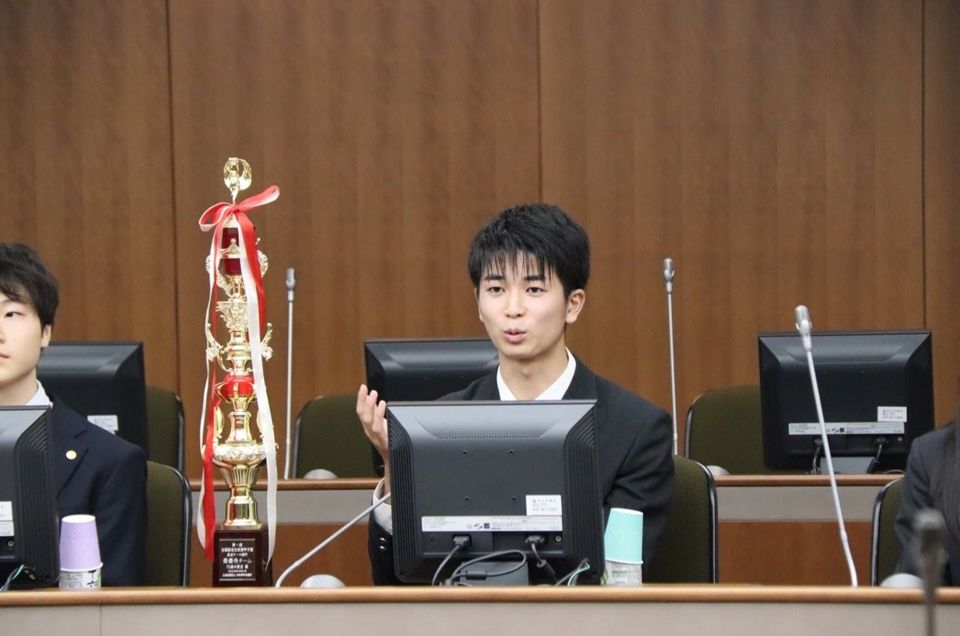
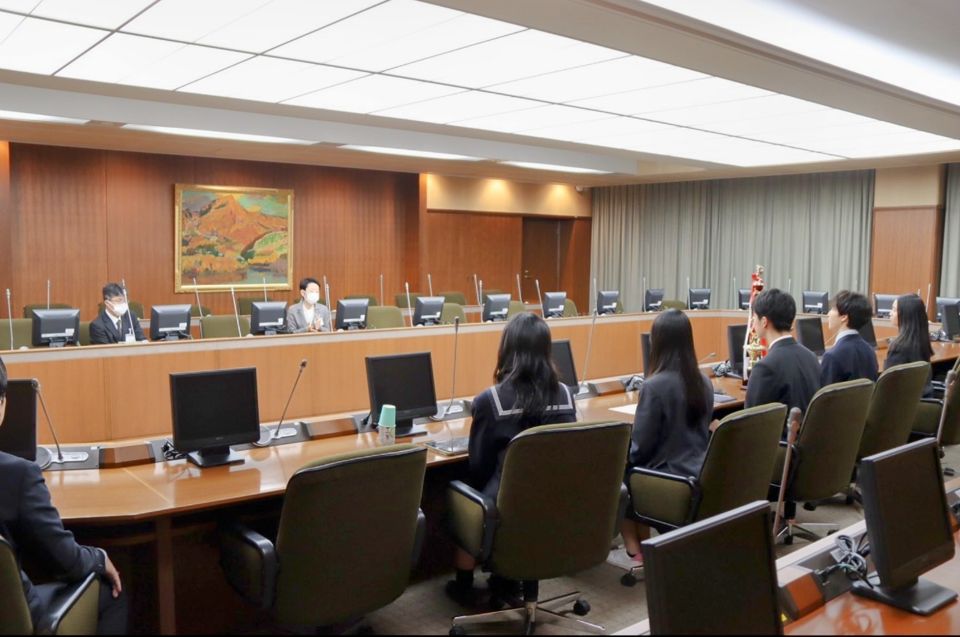
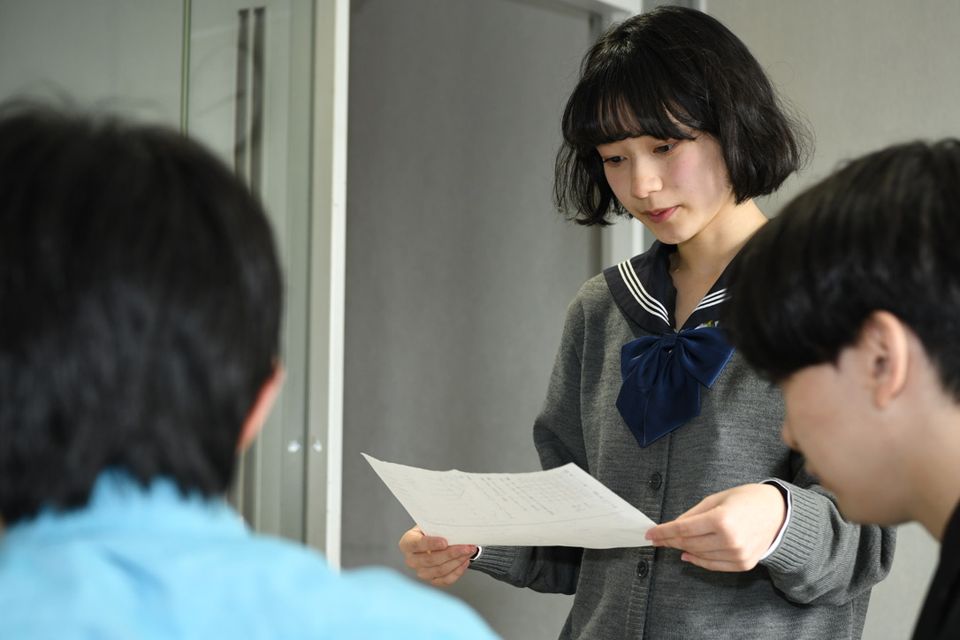
The Mock Gubernatorial Election is a multi-day, inter-school program staged in the Metropolitan Assembly. Teams form by school, conceive a policy for the city, and after the mock election go through debate, questions, amendment and a vote in a simulated assembly — into what governing and building agreement actually demand, past the moment of being chosen.
Inter-school, over several days
Beyond a single ward: schools competing on policy across the whole of Tokyo.
The assembly process
Debate, questions, amendment, a vote. The democracy that comes after the ballot.
Held in the Metropolitan Assembly
A real chamber, and teenagers reopening the question of how the city is run.
05 The Program | Nine days
Nine days, two live days.
What is new here is that it does not end at the vote. Day 1 is the inter-school mock election; a week of scrutinising the policy follows; Day 2 is the assembly — questions, answers, and the vote. The structure is built to reach the part after the ballot.
- Tokyo high schools against each other
- Policy drafting
- Writing the manifesto
- Speech
- The vote
- Governing side: testing whether it can be done, and preparing answers
- Opposition: scrutinising the manifesto and drafting written questions
- Policy speech
- Party leaders' questions
- General questions
- Closing speech
- Vote on the manifesto
Dates and venue are being arranged. The structure may still change.