Preparing for a student council electionA mock election for comparing manifestos and choosing between them
8 min read
And plenty of teachers feel it has become an event where you listen to a speech and vote, and that the result seems to turn on who is known and who is friends with whom.
Manifestos often stop at "I will make the school better" or "I will listen to students", which makes them hard to tell apart. And the students voting may have no idea what to judge on, and fall back on the impression of a speech or whether they know the person.
You may want to give students the chance to question candidates, and worry it becomes criticism or a personal attack. And that using the real candidates in a lesson bears hard on whoever loses.
And you may want to connect the election to civic education while being uneasy about importing the machinery of a national election into a school.
So this piece runs from establishing the school's problems before anyone declares, through a common manifesto format, questions and the vote, to the review afterward.
Who this is for
- Teachers wanting to connect the election to civic education
- Anyone worried the result turns on name recognition and friendships
- Student council advisers wanting manifestos to be comparable
- Anyone wanting to give students a chance to question candidates
- Anyone wanting to run preparation without overloading the real candidates
- Anyone wanting the manifestos and problems to survive into council activity
- Anyone considering links to extracurriculars, civics or inquiry-based learning
None of this requires changing your election wholesale. Start with something easy — one extra field on the bulletin, say.
With no way to compare policies, voting for who you know is the rational move
Candidates put out a manifesto and give a stump speech.
Even so, the students voting often cannot see how the policies differ.
- manifestos stop at abstractions like "a better school";
- candidates give different amounts of information, written differently;
- there is no chance to ask anything outside the speech;
- there is no way to check whether it could be done;
- nobody knows what the council can actually decide;
- how well known a candidate is, and who they know, affects the judgment;
- there is no occasion afterward to look back at how you judged.
Under those conditions, choosing someone you know or someone whose delivery stuck with you is not the students' failing.
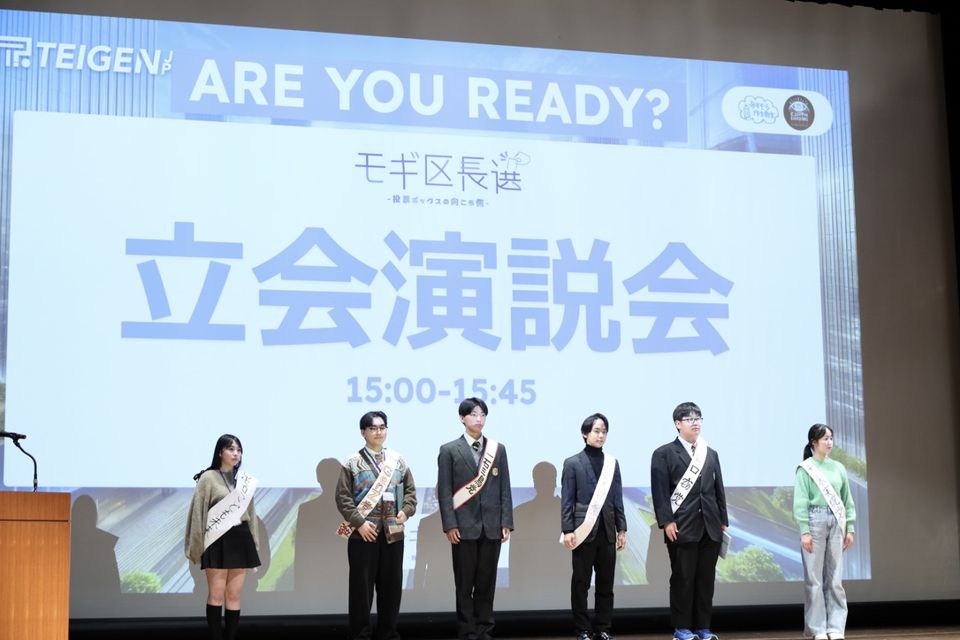
Nor is the point to choose on policy alone, ignoring the person.
It is to add, alongside character and trustworthiness, material for comparing the school's problems against what is being proposed.
Think about the school's problems before anyone declares
Learning about the election is usually imagined as starting once the candidates and manifestos exist.
But building the ability to compare manifestos needs time beforehand on what the school's problems actually are.
Work through it in this order:
- put out what you would change about school life;
- separate personal wishes from problems affecting many students;
- establish who is affected;
- look up how things currently stand and what the rules are;
- establish what falls within the council's remit;
- consider whether staff or others would have to be involved;
- produce several possible solutions rather than settling on one.
Suppose someone says they want more school events.
As it stands there is nothing to agree or disagree with.
- what kind of event;
- who can take part;
- who does the preparation;
- whether it affects lessons or clubs;
- the venue and safety;
- whether it can happen within the term of office;
- and if not, what takes priority.
Questions like these turn a wish into a policy.

"A question can move society" does not mean pushing through whatever answer occurred to you.
It means putting unease into words and turning it into a proposal other people can examine with you.
Give the manifestos a common format
When candidates write to different lengths in different styles, what sticks is the volume of text and the design rather than the policy.
There is no need to flatten out their individuality, but common fields make judging much easier.
Common fields for the election bulletin
- the school problem you want to solve;
- who that problem affects;
- what you propose to do;
- the steps to get there;
- whose help you need;
- what you expect to be difficult;
- where you aim to be by the end of your term;
- what you would prioritise if you cannot do it all.
"Listen to students", for example, needs a method:
- a suggestion box;
- a survey;
- a discussion session;
- who reads what comes in;
- how answers and progress get shared;
- what happens to requests that cannot be met.
There is no need to demand a perfect policy from a school student.
Use shared questions, so it doesn't turn on who speaks well
A speech tells you only what the candidate prepared.
But open questioning alone means some candidates get harder and sharper questions than others.
So put the same set of questions to every candidate:
- whose school life does this policy change;
- who would you have to talk to in order to do it;
- how would you explain it to someone who is against it;
- if you cannot do it all within your term, what comes first;
- what does it cost students in a different position;
- if you have to change the manifesto, how will you tell people.
The questions are not there to corner the candidate.
They exist to make the policy concrete and give the voters more to judge on.
Sharing the main questions beforehand also stops the students who think fast on their feet from having all the advantage.
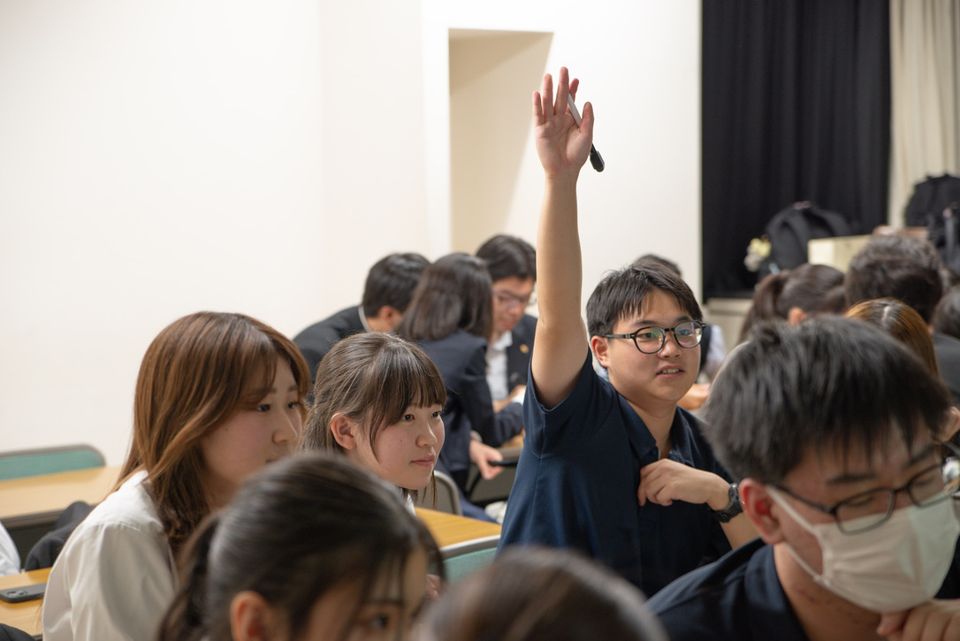
On the day you can add individual questions about each bulletin on top of the shared ones.
Re-examine the manifesto from another position
Our Mock Ward Mayoral Election includes a "paradigm change" session.
Time to re-examine your own policy as an older resident, a family with young children, a local business.
For a student council election, substitute positions within the school:
- new students;
- the oldest year group;
- students in a club;
- students not in a club;
- students who run events;
- students who need quiet;
- staff;
- whoever looks after the buildings and equipment.
Say a manifesto proposes playing music at lunchtime.
Re-examine it not only as a student who wants the music, but as one who wants quiet, as whoever maintains the sound system, and as a teacher preparing a lesson.
If that leads you to amend the manifesto, amend it.
Review the criteria, not the choice
In a real student council election, nobody needs to hand in who they voted for.
Keep the ballot secret, and review what people judged on.
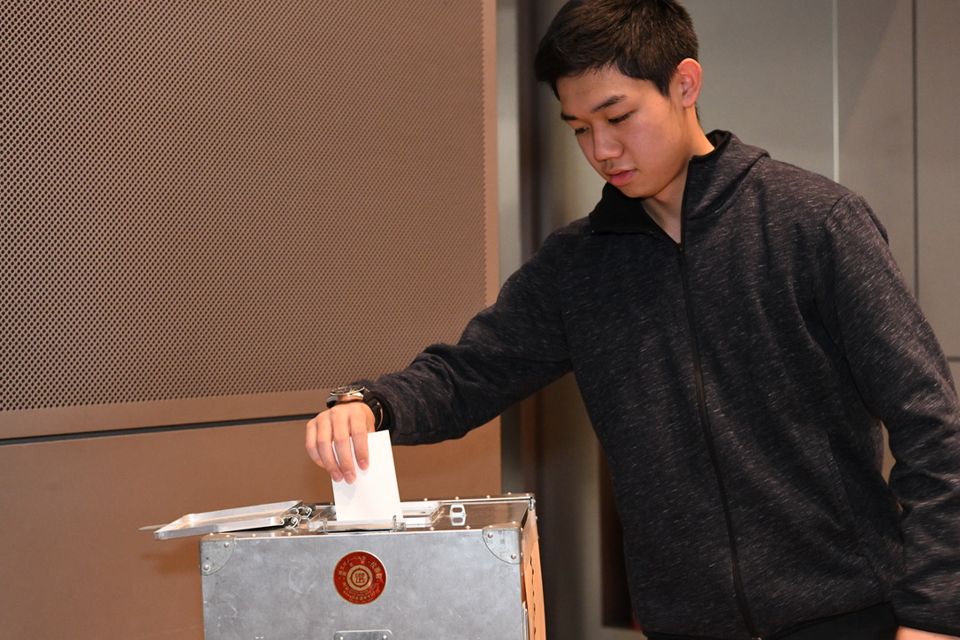
Before voting
- which problems at school you think matter;
- what you weight when comparing manifestos;
- what you want to ask the candidates;
- how you weigh whether it is needed against whether it can be done.
After voting
- which information you weighted;
- whether the speeches or the questions changed your mind;
- whether you think name recognition or friendship affected you;
- whether a losing manifesto contains something worth keeping;
- what still needs thinking about after the election.
Stop at the result and the losing candidates' proposals simply disappear.
Yet the problems several candidates raised, and the points that surfaced during questioning, can carry into the council's work.
Don't let the election be a one-day event
When bringing mock-election thinking in, what matters is the learning before and after, not the staging on the day.
Check, internally:
- whether the format allows manifestos to be compared;
- whether every candidate gets a fair chance to be questioned;
- whether the students voting have anything to do;
- whether personal attacks can be prevented;
- whether the ballot stays secret;
- whether losing candidates are looked after;
- whether manifestos and problems carry over afterward;
- whether the council's remit is clear.
None of this has to change at once.
Start where it is easy: one more common field on the bulletin, a shared set of questions for every candidate, a review of criteria after the vote.
With the election date, the year group and the class time available, we can talk about a program for your school.