Designing a mock election lessonWhat to keep and what to go deeper on, in two periods versus four
8 min read
Some schools already run a mock vote with real ballot boxes and booths, and find it unsatisfying that students only listen to a speech and then vote.
Meanwhile, researching a local problem, drafting a policy, writing an election bulletin, speeches, questions, voting and reviewing will not all fit. Cut too much and the experience is thin; cram too much and students move to the next activity before they have thought.
You may want to run it across a year group and worry that only the confident presenters will shine. And whether votes received should count toward assessment, and how to involve students who are not candidates.
So this piece treats the difference between two periods and four not as timing but as which learning experiences survive, and how deep they go.
Who this is for
- Teachers who want to run a mock election in two periods
- Anyone unsure what to do with four
- Anyone wanting to take a mock vote further, into policy-making and deliberation
- Anyone wanting to avoid it revolving around the confident presenters
- Anyone wanting to assess thinking rather than votes received
- Anyone running it across a year group or a whole school
- Anyone who cannot get consecutive periods and needs to split it across days
Not every activity has to go to the same depth. Start from what you want students to come away with.
A mock election is not a lesson in putting paper into a box
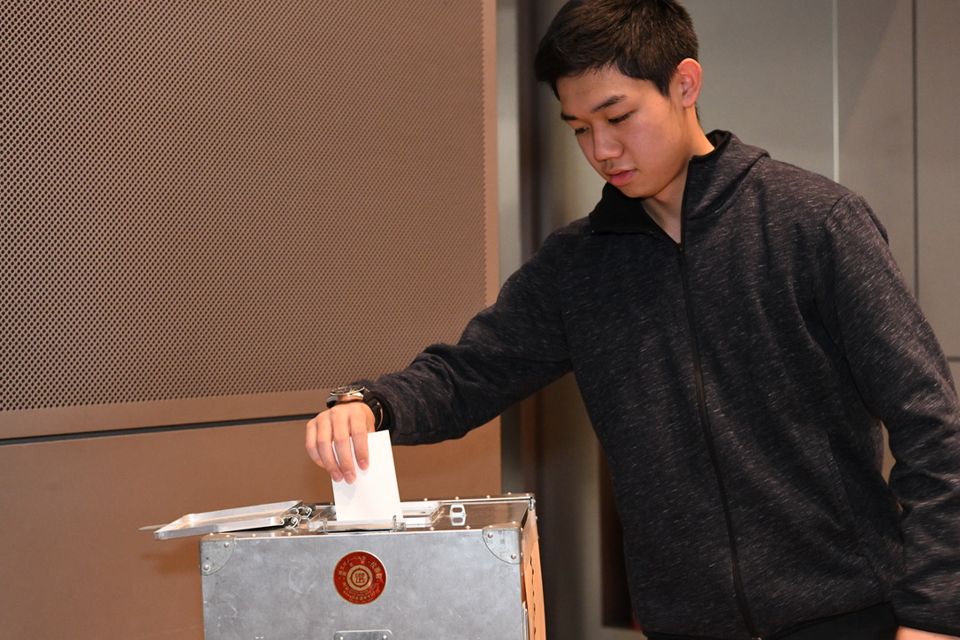
Say "mock election" and most people picture listening to a candidate, filling in a ballot and posting it.
Going through the procedure of voting is worth something.
But voting is the last stage of a decision. Before it comes:
- learning what the problem is;
- working out who is affected;
- designing a solution as a policy;
- comparing it with other policies;
- taking questions and other positions;
- amending the policy where needed;
- voting for your own reasons.
Skip that and it easily becomes a lesson in choosing by delivery and impression rather than by content.
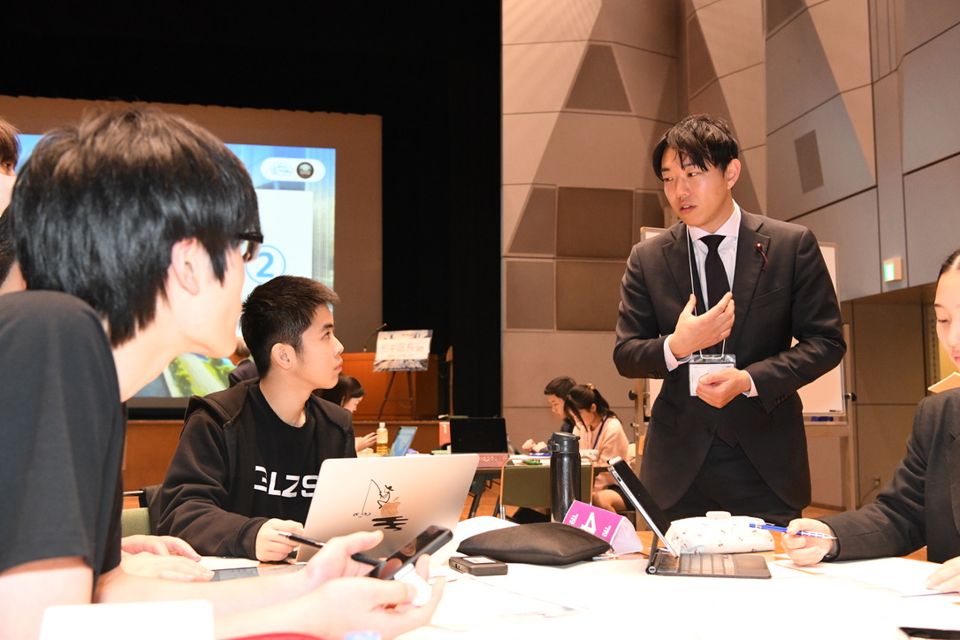
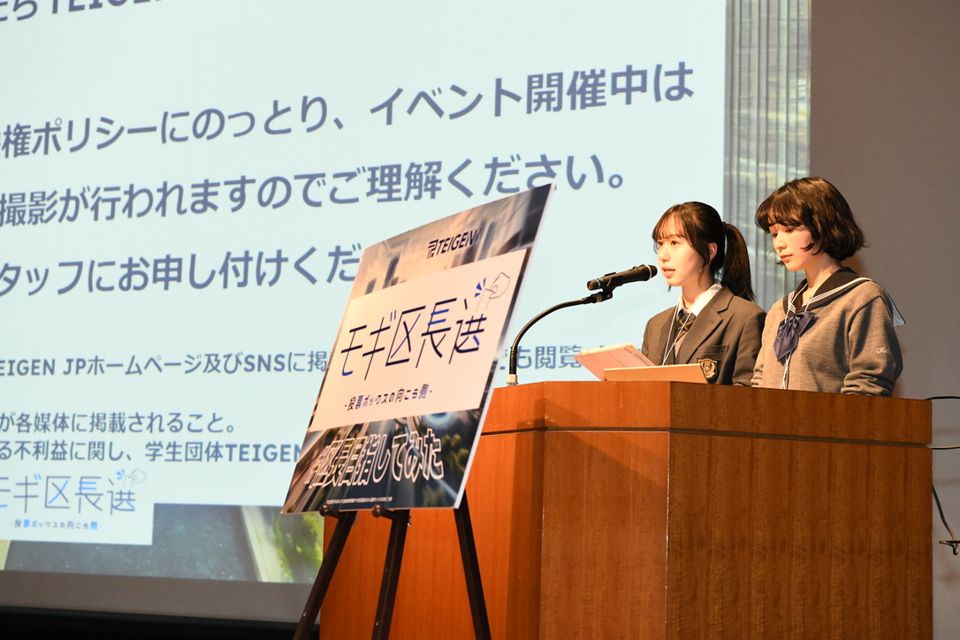
In our Mock Ward Mayoral Election, participants analyze a local problem themselves, draft a policy, stand as candidates, write the election bulletin and the speech, deliberate, and vote.
The part we hold to most is the "paradigm change" session, in which they re-examine their own policy from someone else's position.
The difference is not how much you do, but how far you reopen it
Two periods and four are not the same lesson compressed or stretched.
In two, students go once through a decision: think about the problem, build a policy, compare, vote.
In four, they get as far as amending that first policy in light of questions and other positions.
| Aspect | Two periods | Four periods |
|---|---|---|
| Central experience | Going once round a decision | Reopening a policy and updating it |
| Number of problems | Narrow to one | Several strands are manageable |
| Research | The material supplies the background | Time for students to work through sources themselves |
| Policy drafting | Build the skeleton of a policy | Work through who it is for, who bears the cost, and what it would take |
| Questions | A few short shared questions | Several rounds of questions and reconsideration |
| Review | Establish why they voted as they did | Establish how the policy and the judgment changed |
In two periods, think one problem through to the end
The thing to avoid most is pushing four periods of activity into half the time.
The more activities, the less time to think.
One possible shape:
| Time | Activity | What students do |
|---|---|---|
| Period 1, first half | The problem is set out | Establish the situation, who is involved and what is wrong |
| Period 1, second half | Policy drafting | Work out who it is for, how it would work, and what should change |
| Period 2, first half | Presenting the policy, and questions | Establish how the policies differ and where they are weak |
| Period 2, middle | Re-examination from another position | Think about the effect on someone else |
| Period 2, second half | Vote and review | Put the reason for the decision into words |
In two periods, cut these back hard:
- Number of problems
- the volume of research material;
- the number of candidates and policy groups;
- how much text goes in the election bulletin;
- speech length;
- decoration on the presentation materials.
What to protect: time to compare policies, and the review after the vote.
Announce the result and stop, and you never see why that policy was chosen, or whether the discussion changed anyone's mind.
Even in two periods, treat the process of reaching a judgment — not the vote count — as the outcome.
In four periods, don't let the first policy be the final one
With four periods, rather than lengthening explanations and speeches, spend the time amending the policy.
| Period | Activity | Focus |
|---|---|---|
| Period 1 | Analyzing a local or school problem | Separating fact from impression |
| Period 2 | Drafting the policy and the election bulletin | Making the target, the method and the conditions concrete |
| Period 3 | Speeches, questions, deliberation | Finding the differences and what was missed |
| Period 4 | Changing position, amending, voting | Updating what you think, and choosing |
Say a group proposes making a public service free.
Beyond "is free good or bad", add:
- who uses it;
- who pays for it;
- how the people who don't use it feel;
- what it would take to keep it going;
- why this before other policies;
- whether it creates a different problem.
Faced with those, some students will want to defend their first draft.
Always Be a Questioner means reopening your own answer, not only other people's.
Protect thinking time before authenticity
It is tempting to add sashes, posters, ballot boxes and polling booths to make it feel real.
Those things do hold attention and help students understand the procedure.
But within limited time, getting the form right can eat the time for thinking.
Sort the activities into three:
Always keep
- understanding the problem;
- working out a policy;
- comparing it with other policies;
- choosing for your own reasons;
- looking back at the judgment.
Deepen if time allows
- researching local data;
- polishing the election bulletin;
- rehearsing speeches;
- several rounds of questions;
- amending the policy;
- deliberation between groups.
Simplify as needed
- posters that take time to decorate;
- long candidate speeches;
- too many policy themes;
- complicated procedures whose only purpose is realizm.
None of this means stripping out realizm entirely.
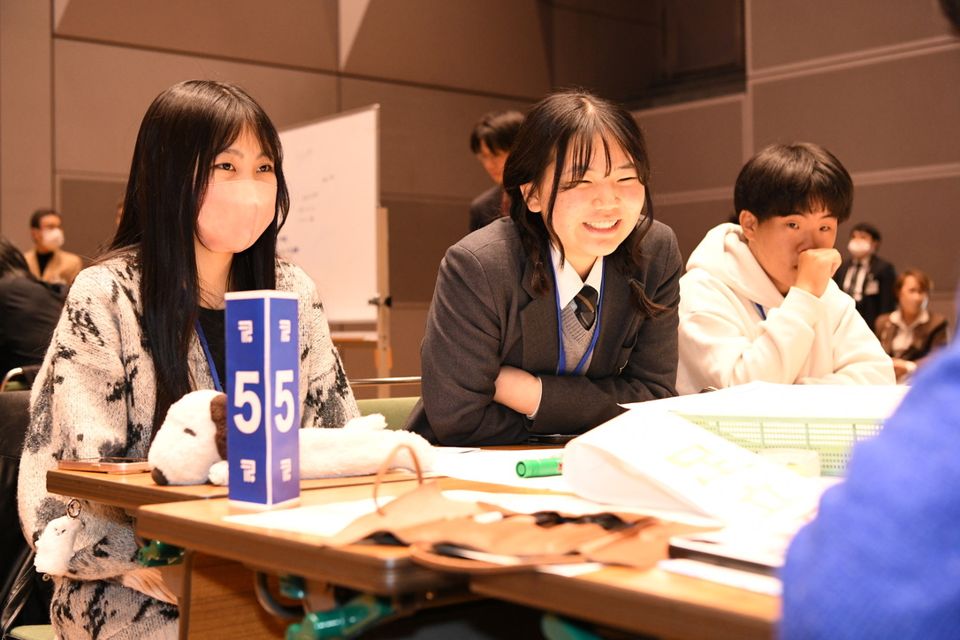
Don't let only the candidates get anything out of it
In a mock election, the candidates who give speeches are the visible ones.
Everyone else can end up listening and waiting to vote.
When groups build a policy, split the roles:
- checking the problem and the sources;
- establishing who the policy is for;
- working out how it would be done;
- writing the election bulletin;
- delivering the speech;
- preparing questions for other groups;
- recording the questions and answers;
- amending the policy;
- putting the reason for the vote into words.
So that the whole group takes part in forming the policy, not just the one who presents.
And if votes received go straight into a grade, how well known someone is, how they speak and who their friends are start affecting the assessment, rather than the policy itself.
If you are assessing, look at the process:
- does the policy actually connect to the problem;
- is it clear who it is for;
- was the method made concrete;
- was the effect on other positions considered;
- was the thinking revised after questions;
- could they explain why they voted as they did.
Choose two or four by reasoning back from the aim
If the timetable only allows two periods, there is nothing to apologize for.
Narrow the aim and protect the thinking time, and two periods still carry students from drafting a policy to voting.
The order to decide in:
- pick the one experience students should come away with;
- choose the learning behaviors that must survive;
- establish what preparation the school can do itself;
- block out the thinking time first;
- then adjust explanation and presentation time;
- keep the review after the vote;
- split across two days if you need to.
Our school programs run two to four periods and can be split across two days.
With the year group, the numbers, the aim and the time available, we can work out a concrete shape with you.