How to bring a civic education outreach class into your schoolInternal approval, cost and preparation
9 min read
Even a teacher who wants it can worry about whether they could answer senior leadership or a parent on political neutrality. Then there is whether the periods and the budget can be found, what can safely be left to an outside organization, and whether it works at all with students who are not interested in politics.
From a board of education or a senior leadership position, you may be looking for a civic education program you can offer across several schools, and be unable to judge whether it flexes to each school's year groups, numbers and timetable.
And some schools already run a mock vote and quietly wonder whether listening to a speech and putting a paper in a box really builds anyone's judgment.
So this piece walks through it in order: starting the discussion inside the school, approaching an outside organization, cost, political neutrality, preparation on the day, and the review afterward.
Who this is for
- Teachers considering a civic education outreach class for the first time
- Anyone unsure how many periods and what preparation a mock election needs
- Anyone who has to explain political neutrality to senior leadership or parents
- Anyone wanting to tie it to civics, inquiry-based learning or extracurricular activity
- Board of education staff looking for a civic education program for schools
- Anyone wanting to take an existing mock vote further, into policy-making and deliberation
- Anyone wanting to use it as preparation for a student council election
It does not matter that the content is not settled. Start by separating out what the school actually has to decide.
It stalls for reasons that have nothing to do with the teacher's enthusiasm
Everyone may agree that civic education is needed and the conversation still stops the moment it gets concrete. The teacher has to answer not only what the class contains but:
- why bring in an outside organization rather than teach it ourselves;
- what the students will actually do;
- how steering toward a political position is prevented;
- how many periods it needs;
- how much preparation falls on the school;
- what the fee covers;
- what learning is checked afterward.
That is a lot for one person to work out alone.
Which is why the useful first move is not drafting a finished lesson plan but separating out what the school has to decide.
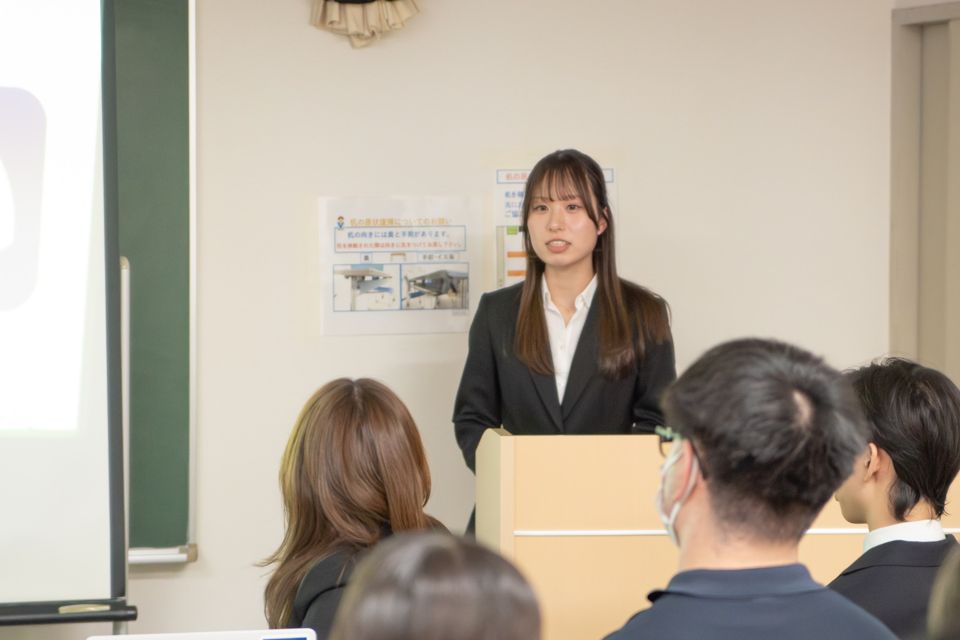
Decide what the students should come away with, before deciding the content
You do not need a timetable or materials worked out before you approach anyone. What comes first is what you want the students to go through.
"Civic education" covers very different content depending on the aim:
- understanding how elections work;
- going through the procedure of voting;
- thinking out a problem in the area or the school for yourself;
- building a policy and putting it into words for other people;
- re-examining your own proposal from someone else's position;
- comparing several policies and choosing for your own reasons;
- leading into a student council election or inquiry-based learning.
"Raise interest in politics" is a legitimate aim, but on its own it leaves you nothing definite to review afterward. Push it down to what a student does and the design gets much easier:
What matters to us is not producing students who know a lot about politics. It is the experience of standing on the side that asks, thinks, argues and chooses, rather than watching decisions from a distance.
Seven things worth pinning down first
Nothing has to be settled when you get in touch. Knowing even these makes the conversation much faster.
| Item | What to establish |
|---|---|
| For | Year group, numbers, how many classes |
| Time | Length of a period, and how many you can free up |
| Aim | What you want students to think about and go through |
| Connections | How it relates to civics, inquiry learning, extracurriculars, the student council |
| Timing | Preferred dates, and when internal approval must be in |
| Concerns | Neutrality, budget, a few students dominating, the room |
| The students | What this year group is like, and anything to accommodate |
Blanks are fine. "We don't know where to start" is itself a position, and sharing where you are is the starting point for designing something that fits your school.
From first inquiry to the class itself
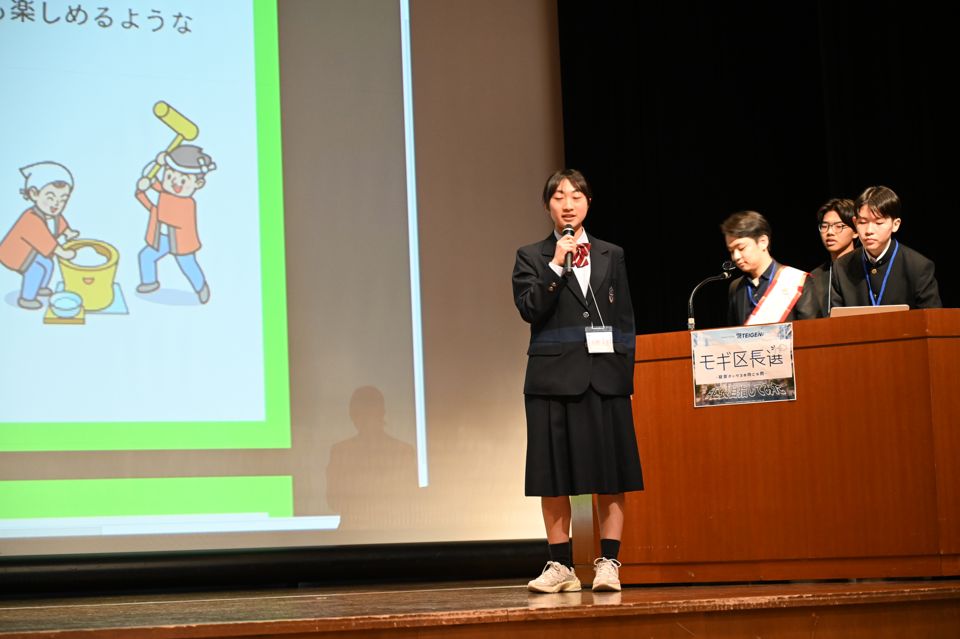
Mock Ward Mayoral Election for School and Mock Principal Election are hands-on programs of two to four periods for middle and high school students. Participants analyze a problem, draft a policy, make speeches, deliberate, and vote.
1. Tell us what is already fixed
In the first message: the school, year group, numbers, periods, timing and what the class is for. If it has not been approved internally, just say so.
2. Decide which stages survive
Two periods and four are not the same thing compressed or stretched. In two, you narrow to a single problem and go once from drafting a policy to voting. In four, you can take questions, bring in other positions, and get as far as amending the policy.
3. Agree neutrality and who does what
We support and oppose no party, political body or candidate. In school mock elections we work from a design that does not touch for-or-against positions on real parties or candidates, so that nobody is steered and the attention stays on how policy is formed and decisions are made. That is not a restriction on students holding differing views.
4. Fix the conditions internally
Date, room, cost, teachers' roles, printing, photography, and the running order. For senior leadership and other staff, a single page with the aim, the flow of the class, the neutrality measures and who does what is the easiest thing to circulate.
5. Design the review
Look at more than the result of the vote:
- could they put their own view into words;
- did listening to others change what they thought;
- did they think about who bears the cost and what it would take, not just why the policy is needed;
- could they explain why they voted as they did.
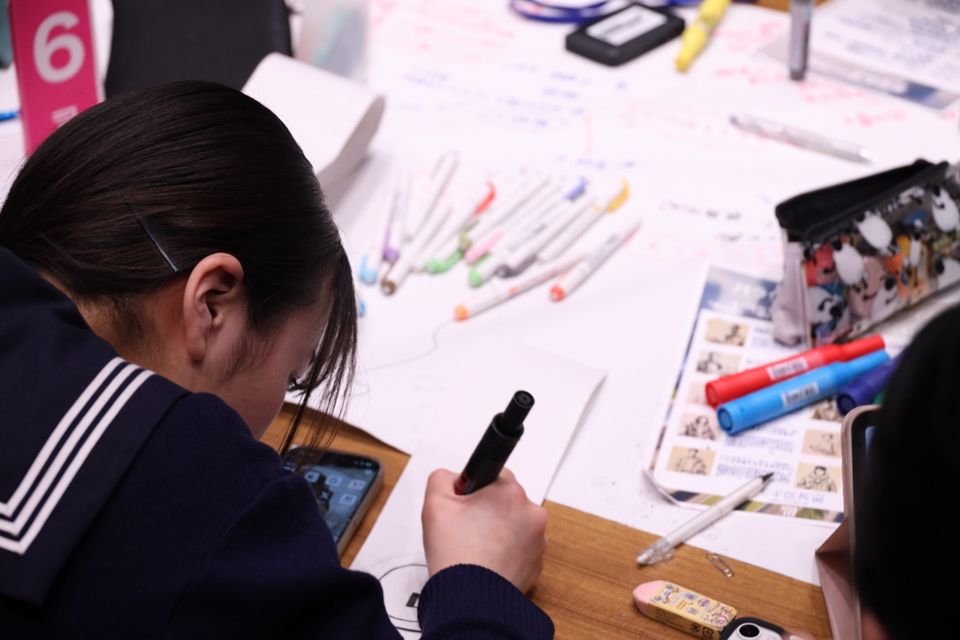
What the school prepares is not specialist teaching material
Some schools worry they will have to build materials from scratch as well.
With us, the materials, the facilitation and the equipment such as ballot boxes are ours. What we ask of the school is mainly a room, a date and distribution of the advance questionnaire. We may also ask you to print the handouts.
| The school | TEIGEN JP |
|---|---|
| Internal approval, dates, the room | Designing the class around your conditions |
| Telling us about the students and anything to watch | Materials and worksheets |
| Distributing the advance questionnaire | Running the day |
| Printing handouts if asked | Ballot boxes and other equipment |
| Looking after students on the day | Designing the policy-making, deliberation and vote |
Bringing in an outside organization does not mean the school has to hand everything over. Only the school knows that the same few students always speak, that some need longer to write, or that a particular subject needs handling with care.
If you only have one period, don't force it into a mock election
Some schools are interested and simply cannot free up more than one period.
Cram policy-making, speeches, questions and a vote into that and you technically have a mock election. But without time to think a policy through and compare it with another, it becomes an exercise in voting on delivery and impression.
So for a single period we come as a speaker rather than run a mock election. Talks for schools start at ¥20,000. The hands-on class runs two to four periods, splittable across two days.
- One period: a talk, with some discussion
- Two: one problem, from drafting a policy through to voting
- Four: questions and changes of position, and amending the policy in light of them
- Several days: separating preparation from delivery, and delivery from review
Rather than cramming everything in, the thing that matters is choosing, within the time you have, what the students will definitely come away with.
The fee is not just the hours in the classroom
Mock Ward Mayoral Election for School and Mock Principal Election cost ¥30,000–50,000 per delivery, plus travel and venue costs at cost. That covers not only running the day but:
- the planning meeting;
- Designing the class around your conditions
- preparing materials and the running order;
- Ballot boxes and other equipment
- delivery on the day;
- designing the review.
We can issue quotations, invoices and receipts. Payment by bank transfer or in cash.
We travel anywhere, with travel charged at cost by a reasonable means of transport. Journey time and dates are agreed beforehand.
What we want to leave behind is not the right answer but the experience of reopening the question
Our phrases are "a question can move society" and "Always Be a Questioner". Neither means asking as many questions as possible.
It means asking, even of a policy you think is good:
- who benefits;
- who bears the cost;
- does it still hold from another position;
- who has been left out;
- can you change your mind when new information arrives.
That is the stance.
In a civic education class, everyone does not have to arrive at the same conclusion. Hear other views, update your own, and in the end choose for your own reasons. That experience is what stops decisions in society from feeling like someone else's business.
If you know the year group, the numbers, the periods available and roughly when, we can start designing. Early-stage inquiries are welcome too.