Booking a teenage speakerDesigning the session so it isn't just "the voice of youth"
10 min read
A teacher may want a talk that gets students to take a first step. A municipality or an assembly may want to hear from someone actually doing youth participation. A company or foundation may be planning a panel on working with teenagers.
And you may feel "speak freely as a representative of young people" is far too broad, while being unsure how specific you can get without flattening what makes them them.
Can they be asked the same questions as the adults? Can an under-18 be asked about failure? How much of their school and their face can you publish? And does sharing questions beforehand make the answers manufactured, when the point was spontaneity?
And there is the case where the teenage speaker listens to the adults and is asked, at the end, how they feel about it as a young person — and their actual experience never gets used.
So this piece covers choosing the theme, the different roles in a talk, a conversation and a panel, how to build the questions, what to be careful about with under-18s, and what an invitation needs to contain.
Who this is for
- Anyone arranging a student talk for a school event or lesson
- Anyone running a study session on youth participation at a municipality or assembly
- Anyone at a company, foundation or chamber planning a conversation or panel including teenagers
- Anyone unsure what to ask a "representative of young people" to do
- Anyone who wants the decisions and the failures, not just the successes
- Anyone unsure whether to share the main questions beforehand
- Anyone needing to settle school names, photographs, recording and social posting for under-18s
- Anyone wanting adult and teenage speakers in the argument as equals
- Anyone wanting what is said to carry into what happens next
Before looking for a speaker, decide what the audience should take away — the experience and the questions you need become much clearer.
"Say what young people think" is hard to prepare for
Teenage speakers are often asked to speak freely as a representative of young people.
But No single teenager can represent their whole generation.
Where they live, their school, their family and what they have done all change how they see it.
And the person invited cannot tell what is expected:
- to describe their own experience;
- to analyze their generation;
- to endorse the host's work;
- to tell a success story;
- to give a view on policy;
- to call the audience to action.
Replace the large phrase with a specific theme drawn from what they have done.
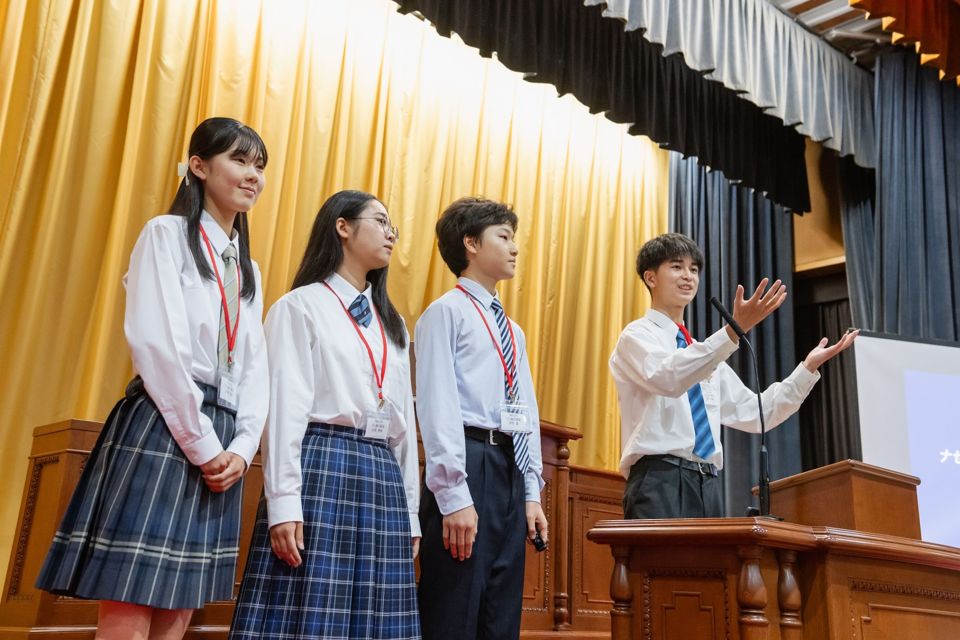
Even for someone who runs a student organization, that splits into:
- why they took on that problem;
- how they got the first project into shape;
- how they approached the authority or the assembly;
- what was hard about working with adults;
- how they decided when their members disagreed;
- what they changed when it did not go to plan;
- what changed their own mind;
- what they still have not solved.
Work the theme backward from the audience's next day
Listing what the speaker could talk about does not give the session a focus.
Decide first what the audience should take away:
- students thinking about their own first step;
- teachers taking away how to design hands-on civic education;
- officials seeing youth participation as designing an opportunity;
- student organization founders thinking about how to stop everything living in one person;
- corporate staff learning how to work with teenagers.
Then connect that to the speaker's experience.
Even in a talk to students, the questions change with the aim:
| What should stay with them | What to ask about |
|---|---|
| What started it | The first thing that felt wrong, and why they began |
| How to act | The first email, finding people, moving a project along |
| Facing failure | What went wrong, and what they decided differently |
| Running an organization | Splitting roles, conflict, getting out from under the founder |
| Working with society | Dealing with government, schools and adults |
What we hold to in speaking is not only what we can talk about but what stays with whom.
The role differs across a talk, a conversation and a panel
Telling someone only how long they have leaves them unable to prepare.
Be explicit about the role each format requires.
| Format | What the speaker does | What you decide |
|---|---|---|
| Lecture | Shape their experience into a single arc | Theme, audience, length, takeaway |
| On-stage conversation | Go deeper by way of the difference with the other person | Strands, questions, facilitation, timing |
| Panel | Bring a specific experience or position into the argument | Each speaker's role, and the shared questions |
| Study session | Share how it is done, what is hard, and where it stops | The practicalities participants want |
| Policy presentation | Set out the problem, the evidence and the proposal | Who it is addressed to, and what you want decided |
| The class | Make time for students to think | Learning objectives, activities, review |
Place a teenage speaker as the person asked how they feel at the end, or as a bit of freshness in the room, and they never get into the argument.
On a panel with officials, researchers and educators, don't ask what they think as a young person. Name the experience:
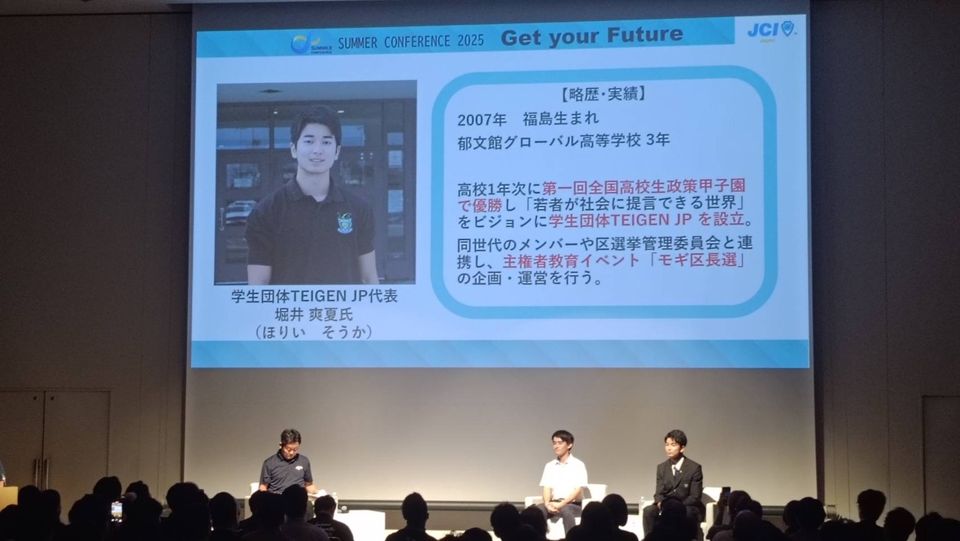
- as someone who planned and ran a mock election;
- as someone who negotiated with a local authority;
- as someone who runs an organization of students;
- as someone who has taught in a school;
- as someone who has put a proposal to policymakers.
Ask about the deciding, not the achieving
With a speaker who has done a lot, listing the achievements will fill the time by itself.
But what a listener can use is the process that led to the result, not the result.
Build the questions in this order:
1. What was the situation?
Establish how the area, the school, the organization and the project stood at the time.
2. What did you think was wrong?
Separate the objective situation from what felt wrong to them.
3. What did you do?
The actual actions: who they wrote to, what they planned, what they negotiated, how they split the work.
4. What went wrong?
What did not go to plan, and where the judgment fell short.
5. What did you reopen, and change?
How the approach was corrected after talking to people and after failing.
6. What is still unsolved?
Don't close on the success — establish what remains.
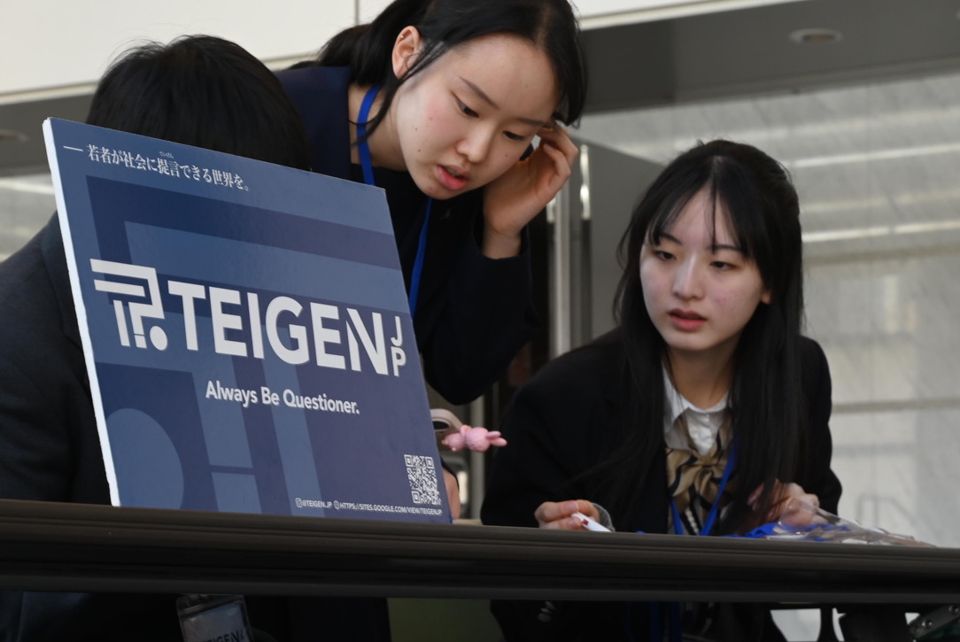
If Always Be a Questioner is going to mean anything on stage, a finished answer is not enough.
Share the process: a question appears, meets other people, becomes a project or a TEIGEN, and changes the person who asked it.
Don't make a teenager carry their generation
Take care not to demand that a teenage speaker:
- explain what their whole generation thinks;
- account single-handedly for why teenagers don't take part;
- endorse the host's work from a teenage perspective;
- add an impression at the end of the adults' discussion;
- perform being impressive for their age;
- tell their personal hardship movingly;
- state a position on a party or a policy.
On things they have not experienced, there is no need to demand an answer just because they are young.
For example,
is far too large for one speaker to answer.
Make it specific:
- what were the teenagers who joined your project anxious about at first;
- what changed in what they said and did, between before and after;
- what have you not been able to establish about the people who didn't come;
- where does your experience stop generalizing to your whole generation.
"I don't know", "I'd have to check" and "I can't generalize from my own experience" are all part of an honest discussion.
It is fine to share the main questions beforehand
You may worry that sending the questions produces prepared answers and loses the candour.
But Being unprepared and being candid are not the same thing.
With the main questions in hand, a speaker can:
- check the facts;
- check with other members and the people involved;
- separate what can be said from what cannot;
- sort out names and schools of under-18s;
- prepare something that fits the time;
- explain terminology for that audience;
- prepare slides and handouts.
If you add questions on the day, accept "I can't answer that", "I'd have to check" and "that isn't public" as answers.
With under-18s, settle each publication condition separately
Teenage speakers include people under 18.
Beyond whether they will speak, settle each of these individually:
- how their name appears;
- how their organization appears;
- how their school appears;
- photographs of them;
- photography on the day;
- live streaming;
- the recording being published;
- clips;
- posting on social media;
- press interviews;
- reuse of their materials;
- socializing afterward;
- travel to the venue;
- the finish time.
Agreeing to speak is not agreement to every photograph and every reuse.
The school may not be something they or their organization publish. Do not guess it — ask how it should appear.
And if an unplanned interview or gathering comes up afterward, make it easy for them to decline.
What an invitation should contain
A host's name and a date do not let anyone judge whether they can do it.
Include in the first message:
- Organizer
- the name of the event;
- what it is for;
- date and time;
- venue, or online;
- the expected audience;
- Group size
- the format;
- how long they speak;
- the theme you want;
- who else is speaking;
- the fee;
- Travel
- photography, streaming and recording;
- when you need an answer;
- who to reply to.
Anything unsettled can simply be marked as such.
Hide what is not settled and the terms change later, at a cost to both sides.
We take talks, classes, panels and on-stage conversations.
Set out the outline, the audience, the format, the length, the theme you want, the fee and the filming conditions, and use the contact form on the site.