Home / CO-CREATE / HONEST NOTE
Honest Note
Second to noneSEIEI MUHI
Whatever your age or years with us, each person holds a clear role and responsibility and makes a contribution the team cannot do without. TEIGEN JP calls that state “second to none”. This page introduces that culture, and it also exists so that nobody joins only to find it was not what they pictured. We are candid about the responsibilities and the real workload, not only the rewards.
Our Common LanguageOur shared phrase
Second to none SEIEI MUHI"Second to none" is the phrase that runs through all four commitments below.It is how we say what we hold to in building teams and growing people.
- Teams are normally five people, six at most.That gives each person a wide remit and real discretion, and makes everyone responsible for how the project moves. The Mock Ward Mayoral Election operations section and the others really are this size. With so few of you, there is nobody to hide behind.
- What you handle is not a set of assigned tasks.Conceiving the thing, designing it and keeping it on track, working priorities backward from deadlines, facilitating meetings, managing a team, negotiating and reaching agreement with government, schools and companies. You do not learn these in training; you learn them holding a role on a real project.
- Never having done it is not a reason not to.Every year, someone takes on a manager or project manager role in their first year here — negotiating with government and companies, writing the proposal, keeping the team moving, and carrying responsibility through to delivery. Some have started programs of their own while here; one, having gone deeper into social problems through this work, went on to compete at The World Scholar's Cup world finals.
- The title is not the point.The point is taking on responsibility you have not held before, and sharpening judgment, follow-through and the ability to bring people with you, in the actual work. Regardless of age or how long you have been here, each person holds a clear role and makes a contribution the team cannot do without. That is what second to none means.
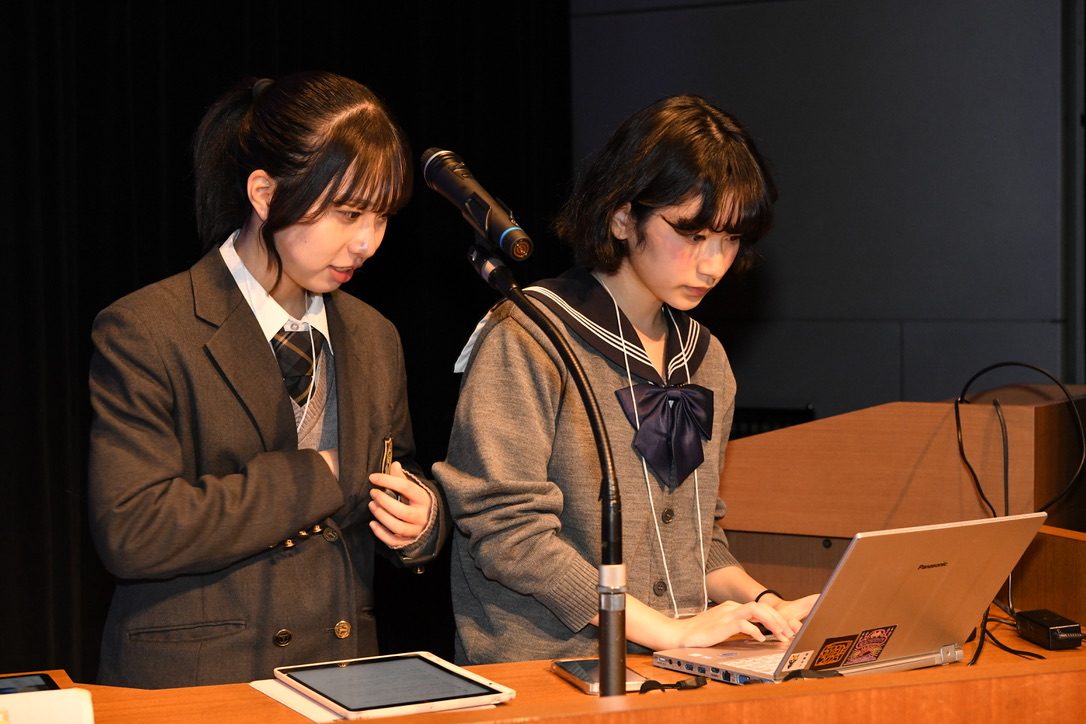
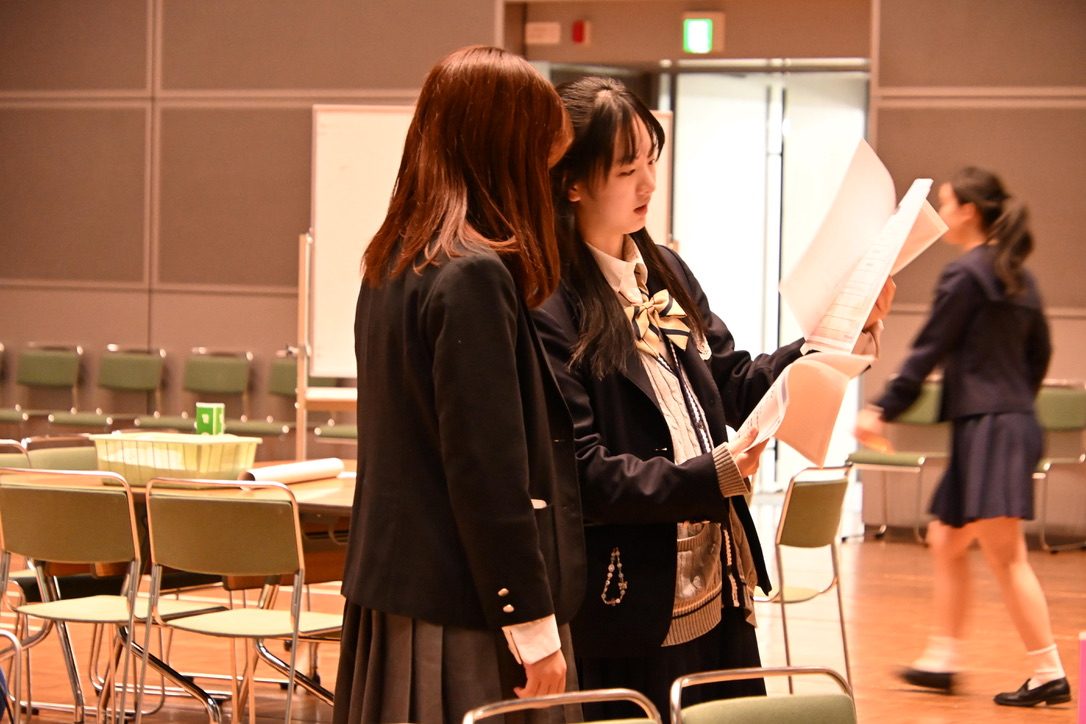
So that you can judge whether this suits you, we set out not only what is good about it but the responsibility expected of you and what it will cost you. If you read this and still want to join, come to a briefing or apply at the next intake.
PreamblePreamble
TEIGEN JP is not somewhere you drop in casually.
We work with government, schools and companies on projects that actually run out in the world. That means a sentence in an email, how finished a document is, a deadline, the minutes, how prepared you are for a meeting, how you carry yourself on the day — every one of them carries responsibility.
"We're students, this is good enough" does not exist here. Whatever your age or experience, you are responsible for your role and you aim higher. That is what professionalism means at TEIGEN JP.
Read the third Questioner principle, "professional, without exception" →
Promise 01How failure is treated
Failure is not held against you. Leaving it alone is.
- Failing at something you attempted is never held against you.A failure that only happened because you went at it seriously is worth praising.
- Leaving a failure where it lies, however, is not acceptable.When something fails, that is exactly when you go back to why. Establish the cause, decide what to change, and do it. We hold to that throughout.
- No plan is finished the first time.Documents get reworked again and again. In discussion, people say what they think regardless of position or age, and you take concrete feedback and revise, repeatedly, to make the thing better.
Promise 02How responsibility is carried
The unglamorous work is yours too.
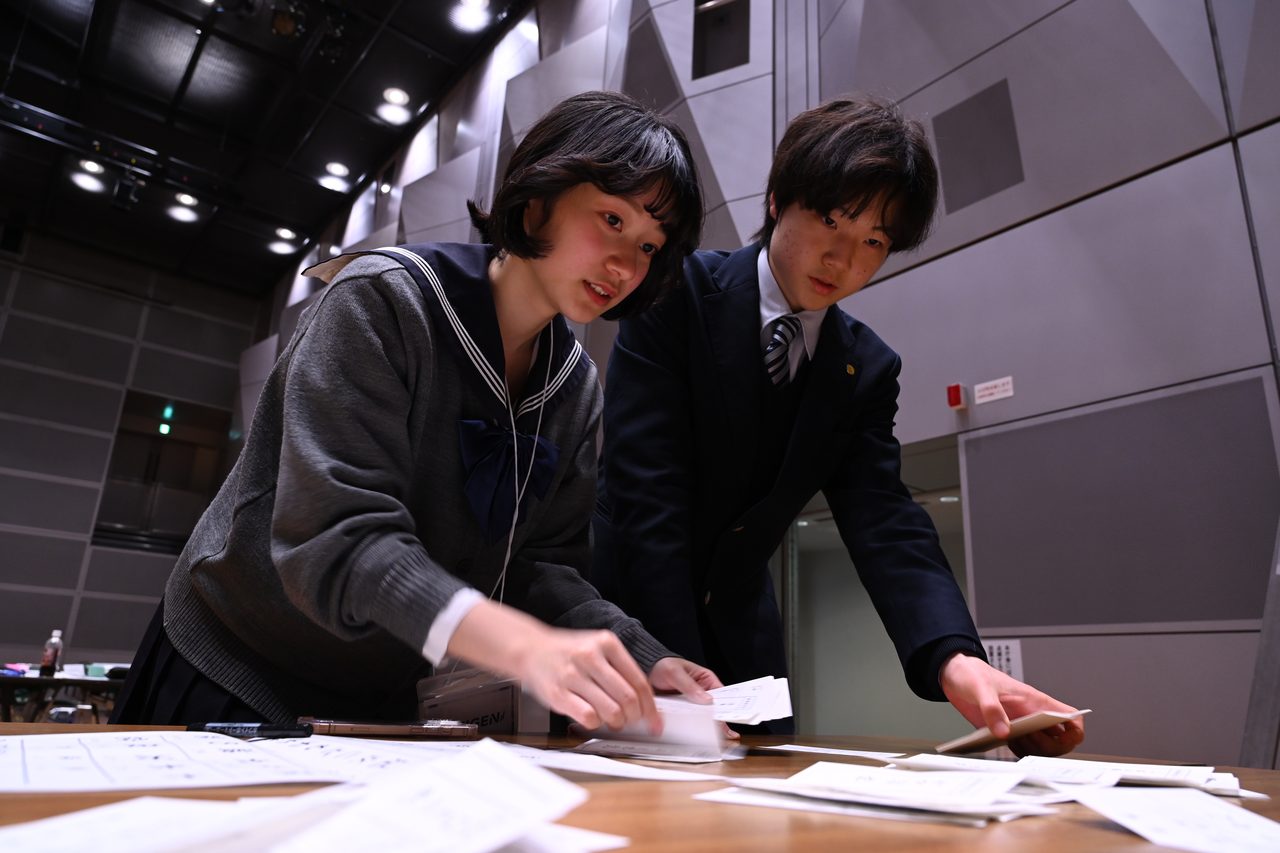
- Nothing gets delivered without the unglamorous work.Coordinating with everyone involved, correspondence, minutes, keeping things on track, revising documents. Carrying that to the end alongside schoolwork and everything else is not easy, and there are stretches where nothing goes to plan and you have to keep at it.
- The busier it gets, the earlier you say where you are.Adjusting deadlines and roles with your team is what carrying responsibility actually looks like.
- You do not have to carry it alone.Getting a grip on a difficult situation and delivering with the people around you is what builds judgment and follow-through.
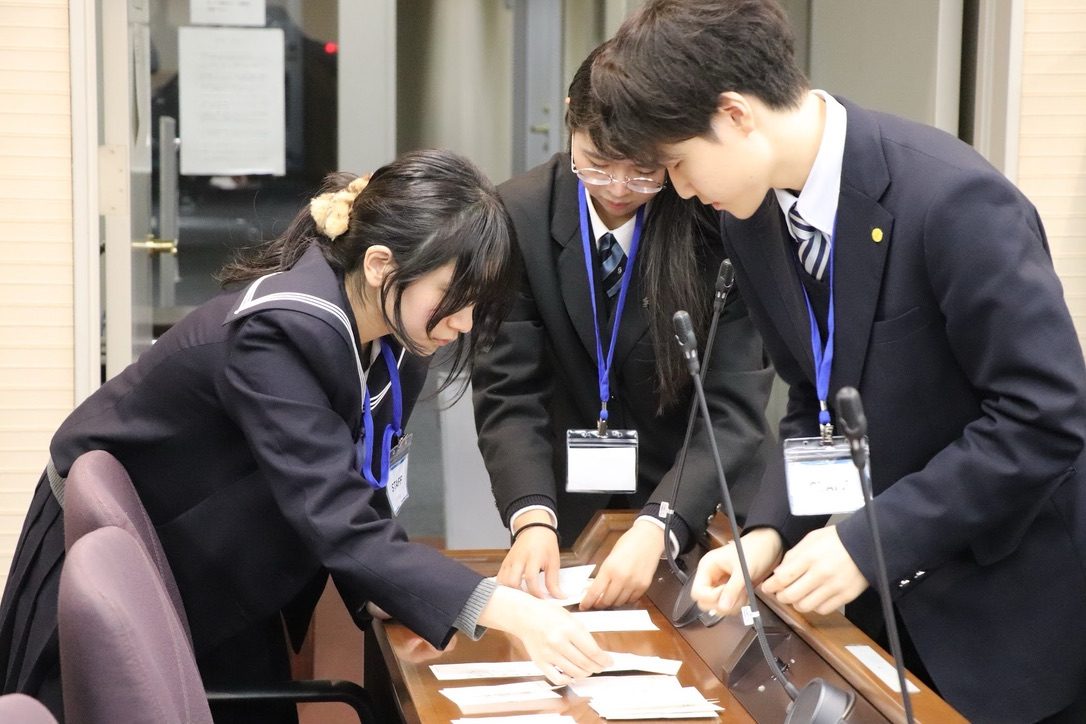
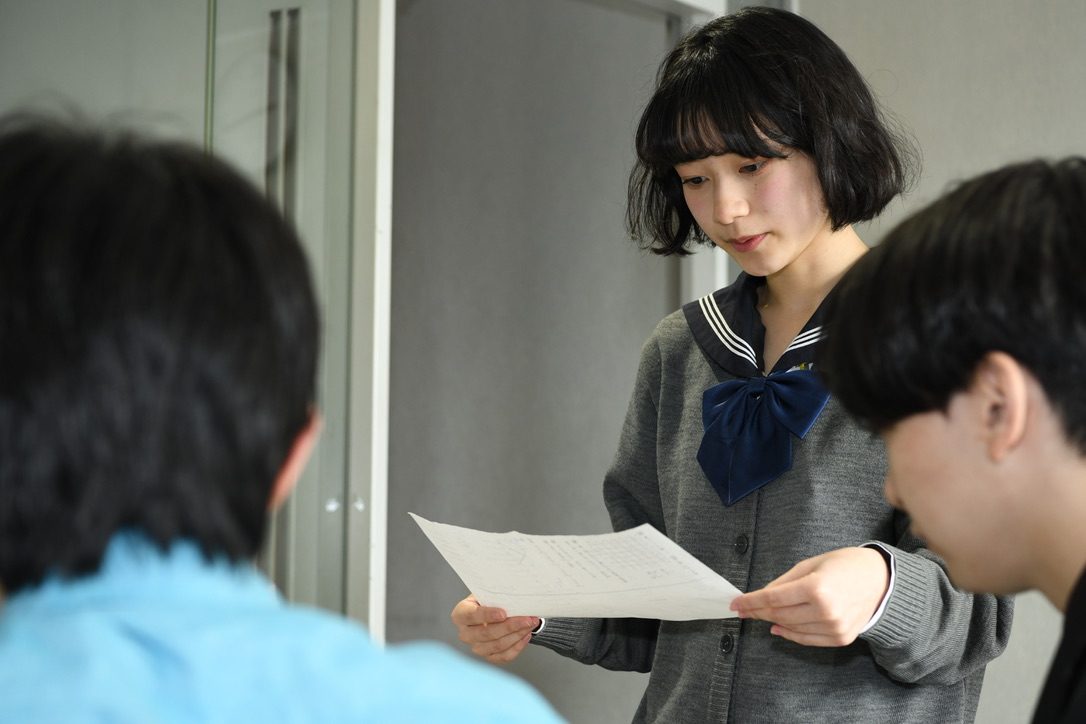

All taken on the day of the Mock Ward Mayoral Election — not on the stage, but just in front of it.
Promise 03What is good about this
It is as good as it gets. It is not easy.
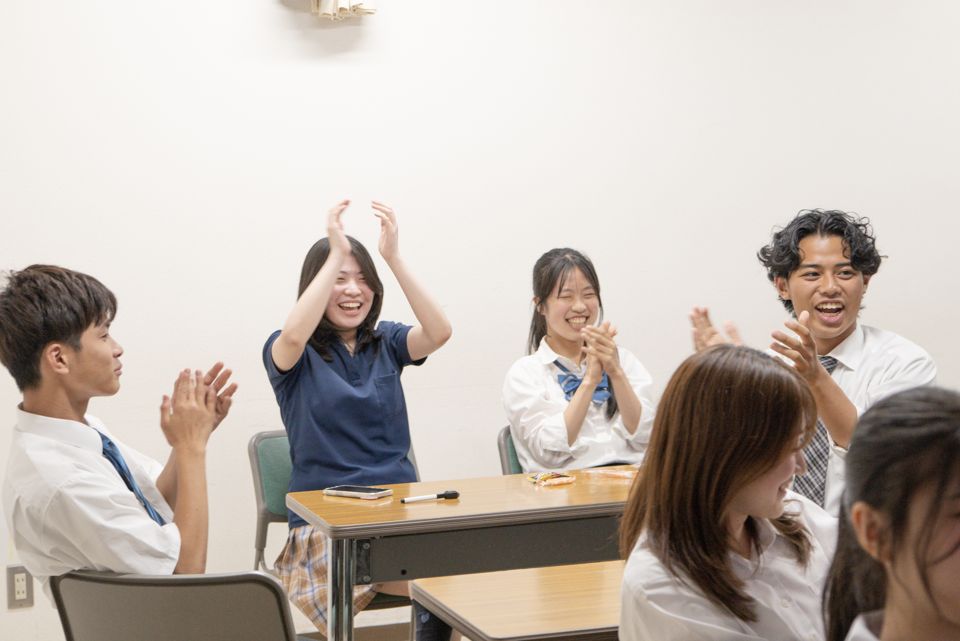
- You get people to work with across schools and ages.You laugh in the gaps, and when an event ends you all take in what you did. There are occasions to get to know each other, and connections form across projects and divisions.
- Those relationships do not come from having a good time together.They come from facing the hard parts, not ducking a frank argument, and spending time and effort on one outcome together. Trust follows work, not the other way around.
- So if you are only here on paper, none of what makes this interesting will reach you.If you want a bigger role than you have held, or to find out what you can do by doing it, you get to drive work with government, schools and companies while still at school or university.

Promise 04What it actually involves
We protect your safety. We do not lower the standard.
- Normally one meeting a week, about 60 minutes, mostly online.In busy stretches — the month before an event, say — it can be three or four times a week, in person or online. How much time it takes depends on where the project is and what your role is.
- Say where you are before it becomes too much.The team checks in and adjusts roles and approach.
- There are rules protecting your schoolwork and your health — and within them, you are expected to be responsible for the role you took on.When something goes wrong, raise it early; roles get adjusted as needed, and the team carries responsibility for the outcome together.
WE PROTECTWhat the organization guarantees
- You may miss anything in the week before exams
- No activity starts after 11pm
- Travel to outreach classes and outside events, and fees for external training, are paid or subsidized by the organization (travel to ordinary meetings is normally your own)
- The Questioner Policy code of conduct and a route for raising concerns exist to prevent inappropriate relationships and excessive burden
- Work is online by default, so where you live does not decide whether you can take part
WE ASKWhat is expected of you
- Meet deadlines, and say beforehand when you cannot
- Come to meetings prepared, and do what was decided
- Be ready to give more time than usual in busy stretches
- Take concrete feedback and revise your work
- When it gets hard, do not go quiet and drift off — say where you are, early
If you are thinking about joining
This is not easy. You face how much you do not yet know, take specific criticism, and rebuild the thing again and again. Sometimes you carry more responsibility than you expected.
On the other hand, something you proposed goes into a discussion with the local authority and comes out as a class or an event. Along the way you find out concretely what you can carry and what you still need to build.
Anyone willing to try is given a role with responsibility, whatever their age or experience.
We are waiting for people who want to turn their own question, with others, into something real.